

Grey and green might not be the first colour combination that comes to mind when decorating a bedroom, but the two can work beautifully together. Grey provides a versatile neutral background, while green introduces colour, warmth, and a connection to nature. The result can feel modern, cozy, elegant, or wonderfully understated, depending on the shades you choose.
The trick is finding the right balance. A pale grey bedroom with sage green bedding can feel light and relaxed, while charcoal walls paired with forest green create a much moodier atmosphere. Get the undertones wrong, though, and the room may feel cold, flat, or darker than you expected.
Fortunately, you do not need to replace your furniture or repaint every wall to get the combination right. These grey and green bedroom ideas cover paint colours, bedding, furniture, lighting, different decorating styles, and affordable updates. Whether you are decorating a compact apartment, a rental bedroom, or a spacious primary bedroom, you will find practical ways to make the colours work in your own home.
Is Grey and Green a Good Colour Combination for a Bedroom?
Yes. Grey and green can create a balanced bedroom palette because grey provides a neutral foundation while green adds colour and visual interest. The result depends on the shades, materials, lighting, and proportions you choose.
Light grey and sage green offer a softer appearance that suits minimalist and Scandinavian interiors. Warm grey with olive green creates a more earthy atmosphere. Forest green and charcoal grey, meanwhile, can produce a bold, sophisticated look.
The important thing is to decide which colour should dominate the room.
If your bedroom is small or receives little daylight, consider using a lighter grey as the main wall colour and introducing green through bedding, curtains, or an accent wall. In a brighter room, you have more flexibility to experiment with darker shades.
You can also introduce a third colour to bring the scheme together. Cream softens the contrast, natural wood adds warmth, and brass or black details can give the room a more finished appearance.
How to Choose the Right Grey and Green Shades
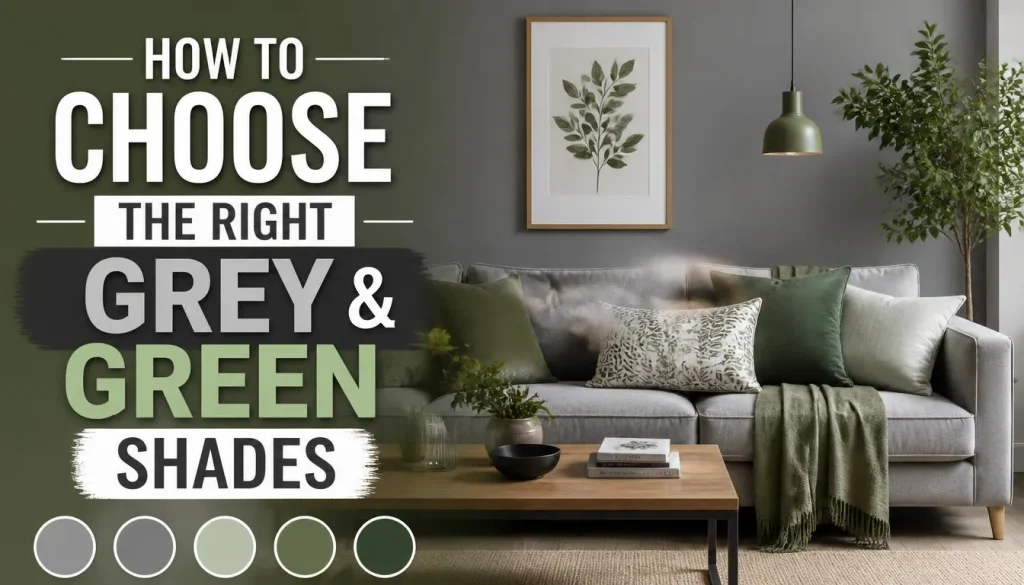
Before choosing a design, it helps to understand why some grey and green combinations feel harmonious while others do not.
Warm Grey vs. Cool Grey
Grey paint can have warm, cool, or relatively neutral undertones.
Warm greys often contain subtle beige or brown undertones. They generally work well with olive, moss, and other earthy greens. They can also help a bedroom with dark wood furniture feel less cold.
Cool greys may have blue or violet undertones. They can complement eucalyptus green, blue-toned sage, and other cooler greens, particularly in contemporary interiors.
Greige, a blend of grey and beige, is another useful option if you want a softer neutral background.
Before buying paint, compare your chosen grey with the green fabric, flooring, or furniture you intend to use. A grey that looks neutral on a paint card can appear distinctly blue or brown beside another colour.
Which Green Shades Work Best With Grey?
Different greens create different moods.
| Green shade | Grey pairing | Overall effect |
|---|---|---|
| Sage green | Light grey or warm greige | Soft and understated |
| Olive green | Warm grey | Earthy and cozy |
| Eucalyptus green | Pale or cool grey | Fresh and contemporary |
| Moss green | Warm medium grey | Natural and relaxed |
| Forest green | Charcoal or medium grey | Rich and dramatic |
| Mint green | Pale grey | Light and fresh |
| Hunter green | Warm grey | Traditional and refined |
These are starting points rather than strict rules. The same green can look different depending on its undertone, the natural light in your bedroom, and the materials surrounding it.
For more help comparing shades, see these bedroom paint ideas.
Test Paint Before Committing
Never assume a colour will look exactly like it does in an online photograph.
Paint samples on suitable surfaces and observe them at different times of day. Natural daylight, warm lamps, and cooler artificial lighting can all change how a shade appears.
The guidance from Sherwin-Williams on selecting paint colours also recommends testing colours in different lighting conditions.
Keep your existing flooring, curtains, bedding, and furniture in mind when reviewing the samples. The best combination is the one that works in your actual bedroom, not simply the one that looks attractive on a screen.
25 Grey and Green Bedroom Ideas to Inspire Your Space
1. Pair Sage Green Walls With Light Grey Bedding
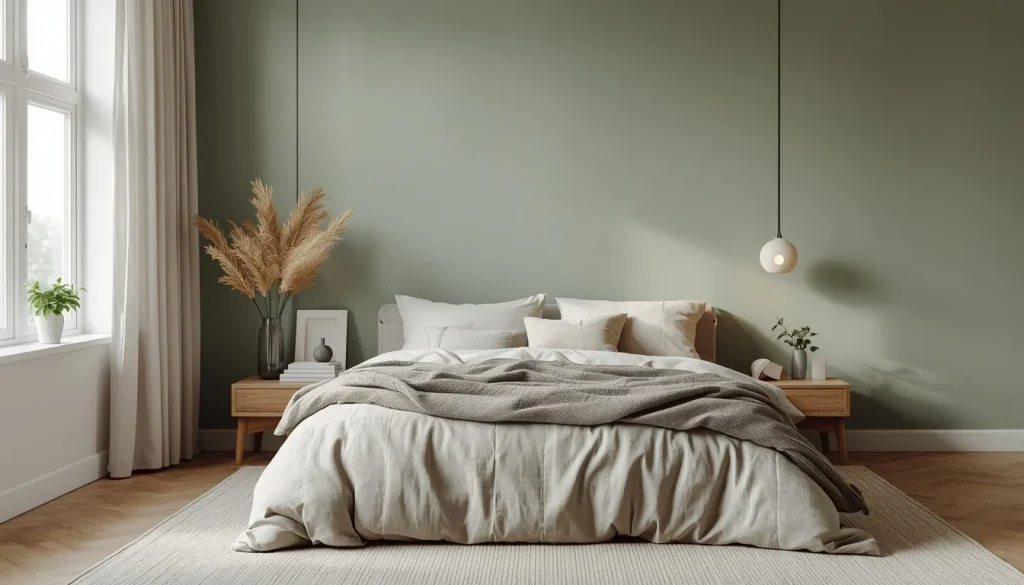
Image direction: A softly lit bedroom with muted sage green walls, pale grey bedding, light oak bedside tables, and cream curtains.
Sage green and light grey are a natural starting point if you want a bedroom that feels calm without looking plain.
Paint the walls a muted sage, then dress the bed in pale grey or silver-grey bedding. Add white sheets, light oak bedside tables, and cream curtains to soften the contrast.
You can introduce texture through a knitted throw, linen pillowcases, or a woven rug. These details help the room feel inviting without adding more colours.
This combination is particularly suitable for modern, Scandinavian, and minimalist bedrooms. It also works well when you want the walls to provide colour while keeping the larger furniture pieces neutral.
2. Use Light Grey Walls With Sage Green Accents
If you prefer neutral walls, reverse the previous combination.
Keep the walls light grey and introduce sage green through bedding, cushions, curtains, or an upholstered headboard. This approach is easy to adjust because you can replace the green accessories whenever you want a different look.
Choose a grey that does not make your room feel too cold. Warm white bedding and natural wood can soften the scheme, while a grey upholstered bed helps create a more coordinated appearance.
This is also a practical option for renters who cannot repaint their walls.
3. Create an Olive Green Accent Wall With Grey Furniture
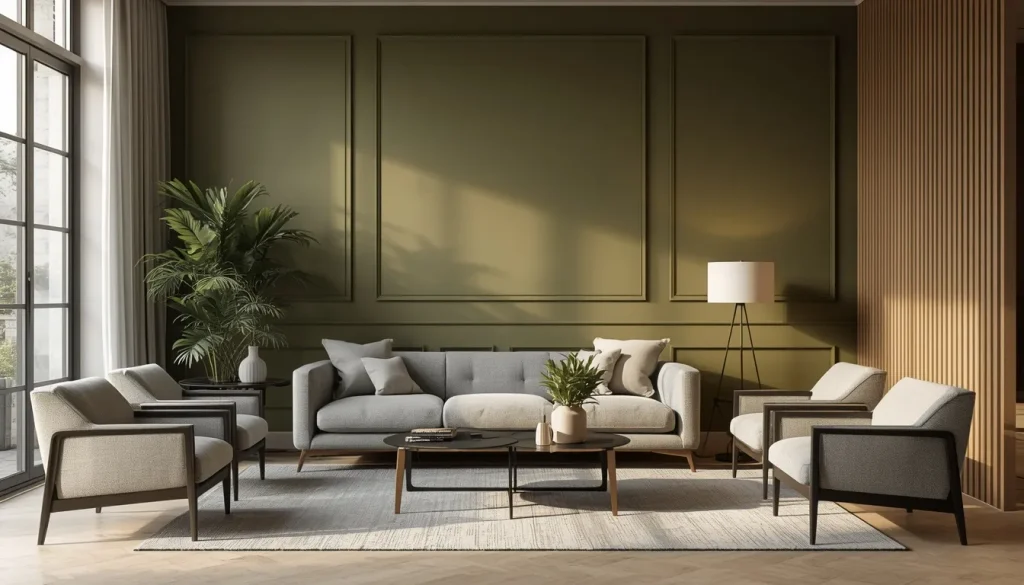
Olive green has an earthy quality that pairs particularly well with warm grey.
Paint the wall behind the bed olive green and keep the remaining walls a lighter neutral shade. A grey upholstered bed, beige bedding, and walnut bedside tables can make the combination feel balanced.
Olive is often a good choice if you want something deeper than sage without committing to a very dark green throughout the bedroom.
Keep decorative accessories relatively simple. The accent wall already provides enough visual interest to anchor the room.
4. Combine Forest Green With Charcoal Grey
For a dramatic bedroom, consider forest green with charcoal grey.
Use the darker colours selectively, perhaps with a forest green wall behind the bed, charcoal bedding, and black bedside lamps. Then introduce a lighter element through cream sheets, pale artwork, or a light-coloured rug.
This combination is particularly effective in contemporary or hotel-inspired interiors. It can also work in smaller bedrooms, provided the lighting and contrast are carefully considered.
If your bedroom receives little natural light, test the colours before painting large areas. You may find that one dark accent wall gives you the effect you want without making the room feel too enclosed.
5. Try Eucalyptus Green With Soft Silver Grey

Eucalyptus green often has a muted, greyish undertone, making it a useful choice for a contemporary bedroom.
Pair it with soft silver-grey bedding, pale flooring, and simple furniture. White or ivory curtains can introduce brightness without distracting from the main colours.
For a more layered appearance, choose fabrics with slightly different textures rather than adding several new colours. Cotton bedding, a wool throw, and a smooth upholstered headboard can provide enough variety.
This scheme suits bedrooms where you want a quiet, understated look rather than a bold statement.
6. Add Grey Panelling to a Green Bedroom
Wall panelling can give a bedroom character without requiring a complicated colour scheme.
Try muted green walls with grey panelling behind the bed, or use grey on the lower section of the wall with green above it. The second option can be especially attractive when the panelling creates a clear horizontal division.
Keep the bedding simple so the wall treatment remains the focal point.
If you are decorating a rental, a painted wall or a suitable removable wall treatment may be more practical than permanent panelling. Always check product instructions and rental restrictions before making changes.
7. Choose Green Wallpaper With Subtle Grey Patterns

Patterned wallpaper can introduce both colours at once.
Look for botanical designs, understated geometric patterns, or textured wallpaper with green and grey details. A feature wall behind the bed is often enough, particularly when the pattern is noticeable.
Choose bedding that repeats one colour from the wallpaper. For example, a green leaf pattern on a grey background can work with plain sage cushions and light grey sheets.
Avoid adding several competing patterns. When the wall already has a decorative design, simpler curtains and bedding help the bedroom feel coordinated.
8. Style a Grey Upholstered Bed With Green Cushions
You do not need to change the wall colour to create a grey and green bedroom.
A grey upholstered bed provides a neutral foundation, while green cushions, a duvet cover, and a coordinating throw introduce colour.
Sage works well for a soft look, while olive or forest green can create greater contrast against a pale grey headboard.
For a more finished appearance, use two or three related green shades rather than trying to match every cushion exactly. A cream bedspread and natural wood furniture can complete the scheme.
9. Use a Green Headboard Against Grey Walls
A green headboard can become the main feature in an otherwise neutral bedroom.
Choose sage or eucalyptus for a light, contemporary look, or forest green for a richer appearance. Place it against a warm grey wall and add white bedding with a few coordinating cushions.
An upholstered headboard introduces texture as well as colour, so there is less need for additional decoration.
This idea is particularly useful if you want the bedroom to feel designed without repainting the entire space or purchasing a complete furniture set.
10. Layer Grey and Green Bedding for a Cozy Look

Layering different fabrics can make even a simple bedroom feel more inviting.
Start with white or cream sheets, add a grey duvet cover, and finish with a green throw or cushions. Alternatively, use green bedding as the main layer and introduce grey through a quilt or textured blanket.
Vary the materials as well as the colours. Cotton, linen, velvet, and knitted fabrics each create a different effect.
You do not need numerous decorative pillows. A few well-chosen layers are usually enough to create a comfortable, coordinated bed.
11. Frame the Window With Green Curtains
Green curtains can introduce colour without requiring you to paint the walls.
Against light grey walls, sage or olive curtains can make the window feel more connected to the rest of the room. Forest green curtains create stronger contrast and can suit a more dramatic interior.
Choose the fabric based on the room’s needs. Linen or lightweight cotton offers a relaxed appearance, while lined curtains may be more suitable when you need greater privacy or light control.
Repeat the curtain colour in a cushion, throw, or artwork to prevent it from looking disconnected.
12. Pair Grey Curtains With Green Walls
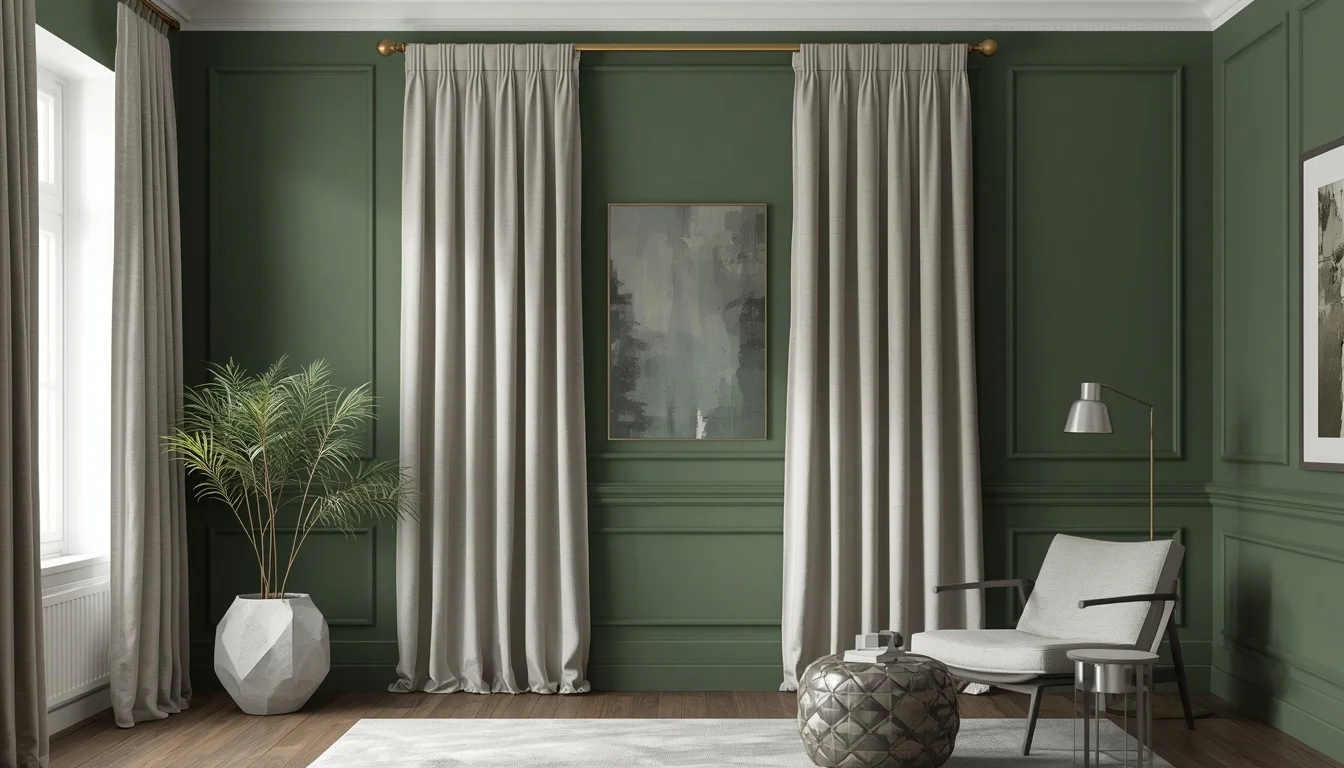
If you prefer green walls, grey curtains can provide a quiet contrast.
Light grey curtains complement sage and eucalyptus, while medium grey can work well with olive. Charcoal curtains create a bolder finish against deeper greens.
Consider the amount of natural light you want to preserve. Heavy, dark curtains can make a poorly lit room feel even darker, so a lighter fabric may be a better choice in a small bedroom.
For a cohesive result, coordinate the curtains with the bedding or rug instead of trying to match them precisely to the wall colour.
13. Add Natural Oak Furniture to a Grey and Green Bedroom
Natural wood can prevent a grey and green bedroom from feeling too cool.
A light oak bed frame, bedside tables, or dresser works particularly well with sage and eucalyptus. Pair these pieces with light grey walls, green bedding, and cream accents.
The wood provides warmth while the grey and green create the overall colour scheme.
This approach is suitable for Scandinavian, modern organic, and minimalist interiors. Keep the furniture lines simple and avoid filling every available surface with decorative objects.
14. Combine Olive Green, Grey, and Walnut Wood
Walnut furniture has a deeper, warmer appearance than pale oak, making it a useful companion for olive green.
Try olive walls or bedding with a grey upholstered headboard and walnut bedside tables. Add cream sheets and warm lighting to connect the colours.
This combination suits traditional, rustic, and contemporary bedrooms. It is especially appealing when you want the space to feel warm without relying on beige throughout.
If your room already contains dark wood furniture, build the palette around it rather than replacing the pieces simply to match a particular decorating style.
15. Introduce Botanical Artwork and Textured Fabrics
Botanical artwork can reinforce the green element of the room while tying it to grey walls or bedding.
Choose prints with green leaves, muted landscapes, or abstract designs that incorporate both colours. A grey frame can help the artwork blend with the furniture, while a natural wood frame introduces extra warmth.
Add texture through linen curtains, a woven rug, or a soft throw.
This idea works particularly well when you want to update a neutral bedroom without painting. A few carefully chosen pieces can establish a consistent colour scheme without overcrowding the walls.
16. Use Green Nightstands Against Grey Walls
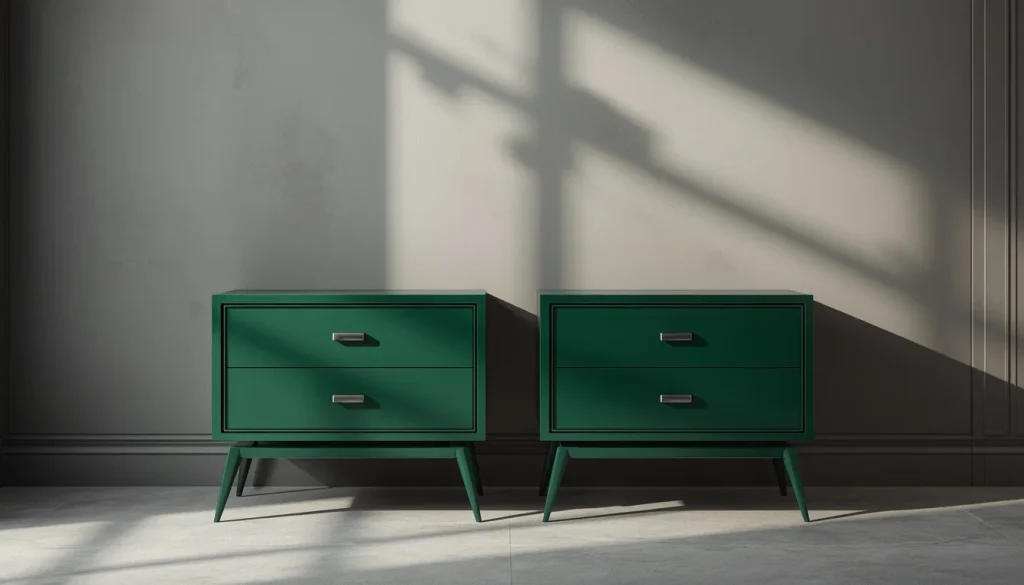
A painted bedside table can provide a small but noticeable colour accent.
Pair muted green nightstands with light grey walls, white bedding, and a grey upholstered bed. For a more traditional look, try olive bedside tables with warm grey walls and walnut details elsewhere in the room.
Repeat the green colour in a cushion or piece of artwork so that the furniture feels intentional.
If you already own suitable bedside tables, consider whether they can be refreshed instead of replaced. Proper surface preparation and a paint finish designed for the material are important for a durable result.
17. Add Built-In Storage to a Grey and Green Bedroom
A well-planned bedroom needs to look good and work for everyday life.
Built-in wardrobes, floating shelves, under-bed storage, and bedside tables with drawers can help reduce clutter without interrupting the colour scheme.
For a subtle look, choose storage in a grey or neutral finish and introduce green through walls or accessories. Alternatively, painted green cabinetry can provide a feature against lighter grey walls.
In smaller bedrooms, measure carefully before purchasing furniture. A storage solution that takes up too much walking space can make the room less functional even if it looks attractive.
For more practical advice, explore these bedroom furnishings ideas.
18. Create a Modern Minimalist Grey and Green Bedroom
A minimalist bedroom benefits from a limited palette and furniture that serves a clear purpose.
Use soft grey walls, sage bedding, and light wood furniture. Keep decorative accessories to a few meaningful pieces, such as one large artwork, a bedside lamp, and a textured throw.
The goal is not to remove every personal detail. It is to give each item enough space to be appreciated.
This combination works particularly well when you want a bedroom that feels uncluttered and easy to maintain.
19. Design a Cozy Scandinavian Bedroom With Sage and Grey
Scandinavian-inspired bedrooms often emphasise natural light, useful furniture, and comfortable textures.
Start with pale grey walls and sage green bedding. Add light oak furniture, white curtains, and a soft wool or knitted throw.
Keep the furniture simple and make sure there is enough storage to prevent clutter from accumulating on surfaces.
If your bedroom already has grey flooring, introduce green mainly through textiles and artwork. This gives you the look without adding another major painted surface.
20. Try an Industrial Bedroom With Charcoal and Green
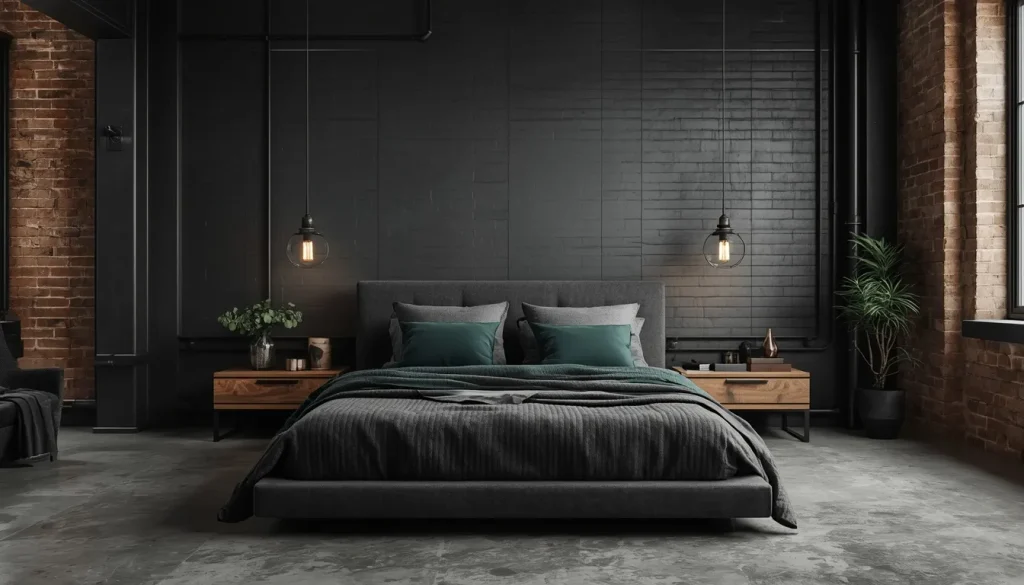
An industrial-inspired bedroom can combine charcoal grey, deep green, black metal, and wood.
A charcoal accent wall, forest green bedding, and a black metal bed frame create a strong foundation. Introduce a wooden bedside table or warm-toned rug to soften the harder finishes.
Exposed-style lighting and simple framed artwork can complete the look.
The key is balance. Too much charcoal, black, and dark green together may become visually heavy, particularly in a room with limited natural light. Use lighter bedding or an open window treatment to create contrast where needed.
21. Add Velvet and Deep Green for a Luxury-Inspired Bedroom
Velvet can introduce depth and texture to a grey and green colour scheme.
Consider a forest green upholstered headboard, charcoal or warm grey walls, cream bedding, and brushed brass accessories. A soft rug and coordinated bedside lamps can help the room feel more complete.
You do not need velvet on every surface. A headboard or a pair of cushions can provide enough texture without making the room feel overly formal.
If you prefer a lighter version of this look, use sage green upholstery and pale grey walls instead.
22. Make a Small Bedroom Feel Airier With Light Grey and Green
Small bedrooms benefit from a clear colour scheme and furniture that fits the available space.
Use light grey on the walls and introduce sage green through bedding, curtains, or one accent wall. Choose furniture with a compact footprint and keep the floor as clear as possible.
A mirror positioned to reflect available daylight can help the room feel brighter. Light-coloured bedding and a rug that relates to the main palette can also reduce visual fragmentation.
Dark green is not forbidden in a small room, but it is worth testing the overall scheme before committing to large areas of deep colour.
23. Balance a Dark Bedroom With Green and Charcoal
If you enjoy darker interiors, forest green and charcoal can create an intimate and distinctive bedroom.
To prevent the combination from feeling flat, vary the textures and introduce a few lighter elements. For example, use charcoal walls, a green throw, cream sheets, and one wooden bedside table.
Think about how the room will look at night as well as during the day. Bedside lamps, wall lights, and soft ambient lighting can help the space feel comfortable when natural light is limited.
For paint selection, consult Sherwin-Williams’ guidance on room orientation and lighting. Different window orientations and artificial light sources can affect how your chosen colour appears.
24. Decorate a Rental Bedroom Without Painting
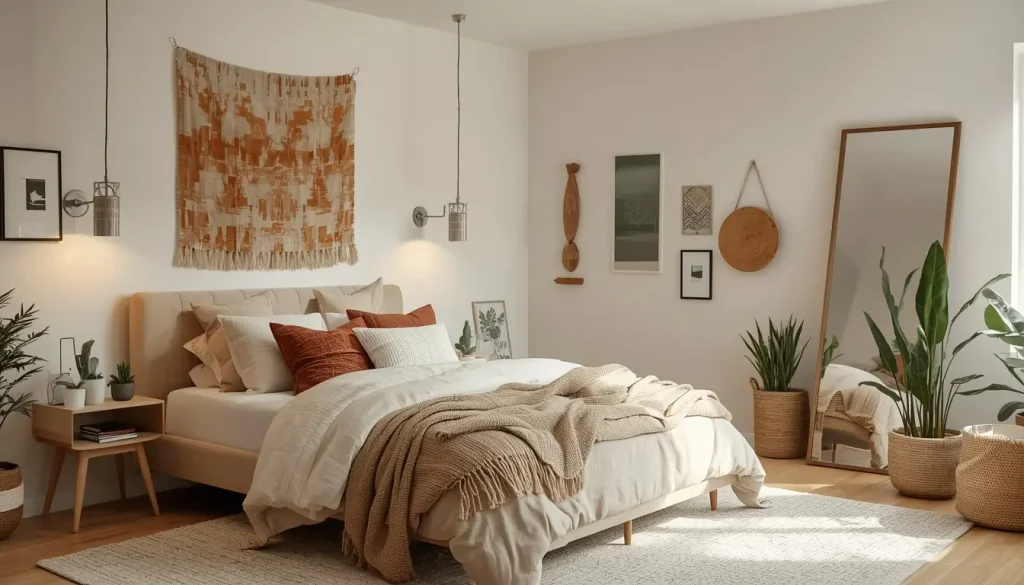
If painting is not allowed, use removable and movable items to create the same colour scheme.
Start with green bedding, grey cushions, and a coordinating rug. Add artwork with green and grey details, and use curtains or a freestanding headboard to introduce more colour.
Removable wallpaper may be another option, but check the product instructions and test it carefully before applying it to painted surfaces.
The advantage of this approach is flexibility. You can change the arrangement or take the items with you when you move without committing to permanent alterations.
25. Refresh Your Bedroom With a Budget-Friendly Makeover
You do not need a full renovation to create a more coordinated grey and green bedroom.
Begin with the area that bothers you most. If the room looks plain, change the bedding. If the walls feel cold, introduce green artwork or warmer textiles. If the furniture looks mismatched, try coordinating the handles, accessories, or finishes before replacing anything.
Spend on the items that make the biggest difference and reuse what already works.
For more ideas, explore these bedroom makeover ideas, which cover practical ways to refresh a room without replacing everything.
Best Grey and Green Bedroom Colour Combinations
If you are still unsure which palette to choose, start with the effect you want the room to have.
| Colour combination | Best suited for | Finishing touches |
|---|---|---|
| Sage and light grey | Soft, bright bedrooms | Cream, pale oak |
| Olive and warm grey | Earthy, cozy rooms | Walnut, beige |
| Eucalyptus and pale grey | Modern, understated interiors | White, linen |
| Forest green and charcoal | Dramatic, moody bedrooms | Cream, brass |
| Green and greige | Warm, balanced interiors | Natural wood |
| Mint green and silver grey | Fresh, light bedrooms | White, pale pink |
| Hunter green and medium grey | Traditional interiors | Walnut, antique brass |
You can also introduce a third colour to make the scheme feel more natural. Cream is useful for softening dark combinations, while wood introduces warmth and black details can give a modern room more definition.
Choose one main green and one main grey first. Then use the supporting colours in smaller quantities instead of introducing several competing shades.
How to Make a Grey and Green Bedroom Feel Brighter
A grey and green bedroom can feel darker than expected if both colours are too deep or the room receives limited daylight. A few adjustments can help.
Use contrast. Light bedding, pale curtains, and cream accessories can break up large areas of grey and green without changing the entire colour scheme.
Choose the right lighting. Bedside lamps and ambient lighting can make the room more comfortable in the evening. Warm light often creates a softer atmosphere, while the appropriate brightness depends on your needs and the room layout.
Keep the window area functional. Choose curtains that provide the privacy and light control you need without blocking more daylight than necessary.
Consider the furniture layout. Oversized furniture may make the bedroom feel crowded. Measure the available floor space before adding bedside tables, benches, or extra storage.
Test paint samples. If you plan to repaint, compare the shades under the lighting conditions in which you actually use the room.
For more advice on paint choices and finishes, refer to these bedroom paint ideas.
How to Match Grey and Green With Furniture and Flooring

Your existing finishes should influence your colour choices, rather than being treated as an afterthought.
Light Oak and Pale Wood
Light oak, ash, and similar pale woods suit sage, eucalyptus, and light grey. They can also prevent a cool colour scheme from feeling too stark.
Use them for bedside tables, bed frames, or shelving, and keep the remaining surfaces relatively simple.
Walnut and Dark Wood
Walnut and deeper wood tones complement olive and forest green. They work particularly well with warm grey, cream bedding, and soft lighting.
If you already have dark wood flooring, avoid adding too many other dark surfaces without testing the balance first.
Grey Flooring and Carpets
If you have grey flooring, check its undertone before choosing your wall colour. Blue-grey flooring may work better with cooler greens, while warmer grey flooring can complement olive or earthy sage.
You do not have to match the walls to the flooring exactly. The aim is to choose colours that look comfortable together when viewed in the same light.
Black, White, and Cream Furniture
White and cream furniture provide contrast against dark green walls. Black furniture and hardware create a more defined, contemporary appearance.
If you already own a mixture of finishes, repeat a few details to create continuity. For example, matching black lamp bases with black picture frames can help otherwise different pieces feel connected.
Common Grey and Green Bedroom Decorating Mistakes
Even a good colour combination can disappoint if the surrounding details are not considered.
Mixing Clashing Undertones
A blue-toned grey may look noticeably different beside a yellow-toned olive green. This does not automatically mean the combination is wrong, but it is worth testing the colours together.
Using Too Many Dark Colours
Charcoal walls, forest green bedding, dark furniture, and heavy curtains can create a visually dense room.
If you want a moody bedroom, balance the deeper colours with different textures and a few lighter surfaces.
Choosing Paint From Photographs Alone
Photographs are useful for inspiration but are not reliable colour samples. Display settings and lighting can change how a shade appears.
Use physical samples before painting the room.
Making Every Item Match Exactly
A perfectly matched set of curtains, cushions, bedding, and accessories can sometimes look overly uniform.
Allow some variation in shade, texture, or material. Related colours usually create a more natural result than identical ones.
Ignoring Preparation and Ventilation
Before painting, prepare the surfaces properly and follow the paint manufacturer’s instructions. Products that emit volatile organic compounds can affect indoor air quality, so use appropriate ventilation during and after application.
The US Environmental Protection Agency’s guidance on VOCs and indoor air quality explains why paint and other household products should be handled according to their labels, with suitable fresh air and precautions.
How to Create a Grey and Green Bedroom on a Budget
A coordinated bedroom does not have to be expensive. Start by deciding which change would make the greatest difference, then build the rest of the look around it.
- Update the bedding: A grey duvet cover with green cushions can establish the palette without repainting.
- Reuse existing furniture: Keep pieces that are structurally sound and update their appearance with suitable paint or replacement hardware.
- Introduce affordable accessories: A throw, a rug, or a few framed prints can connect the colours across the room.
- Improve the lighting: A well-placed bedside lamp may make more difference than buying additional decorative items.
- Change one area at a time: Begin with the bed or accent wall and assess the result before purchasing anything else.
If you are decorating a rental, prioritise movable furnishings and accessories. If you own your home, you may have more flexibility to repaint, install panelling, or update built-in storage.
The most effective makeover is the one that solves your actual decorating problems rather than adding things simply to fill the room.
Frequently Asked Questions
Do grey and green go together in a bedroom?
Yes. Grey provides a neutral foundation, while green introduces colour and depth. Light grey and sage create a softer scheme, whereas charcoal and forest green produce a bolder look.
The best pairing depends on your lighting, furniture, flooring, and preferred style.
What shade of green looks best with grey?
Sage green is a versatile option for a light, understated bedroom. Olive complements warm grey, eucalyptus works well with softer contemporary palettes, and forest green can suit charcoal or medium grey.
Test the specific shades together before making a final decision.
Does sage green look better with warm or cool grey?
Sage can work with both. A yellow-leaning or earthy sage may look more comfortable with warm grey or greige, while a cooler, grey-toned sage may complement cool grey.
The undertones of both colours matter more than the names on their paint labels.
What colour bedding goes with grey walls and green accents?
White, cream, beige, and light grey are reliable choices. If you want more contrast, try dusty pink, muted blue, or a deeper green.
If your bedroom already has patterned curtains or wallpaper, plain bedding can help keep the room balanced.
Is dark green suitable for a small bedroom?
Yes. Dark green can create a distinctive, cozy atmosphere in a small bedroom, especially when used on a feature wall or through bedding and accessories.
Balance it with lighter textiles and appropriate lighting if the room has limited natural daylight.
How can I make a grey and green bedroom feel cozy?
Use warm lighting, layered bedding, natural wood, and fabrics with different textures. Olive or forest green can provide depth, while cream and beige help soften the palette.
A few well-chosen pieces often work better than filling every available surface with decorations.
Can I decorate a grey and green bedroom without painting?
Absolutely. Use green bedding, grey cushions, coordinated curtains, rugs, artwork, and upholstered furniture to introduce the colours.
This approach is especially suitable for renters or anyone who wants to try the combination before committing to a permanent change.
Final Thoughts
Grey and green can be a practical, versatile combination for bedrooms of many sizes and styles. The key is choosing shades that work with your lighting, existing furniture, and preferred atmosphere.
Sage and light grey offer a soft, understated look. Olive and warm grey create an earthy feel, while forest green and charcoal give the room a richer, more dramatic appearance.
Start with one main grey and one main green, then introduce supporting colours through bedding, curtains, flooring, furniture, and accessories. If your budget is limited, begin with the bed or a few decorative pieces before considering a larger makeover.
Most importantly, test your colours in your own bedroom rather than relying entirely on photographs. A little planning can help you create a grey and green bedroom that looks cohesive, feels comfortable, and suits the way you actually live.

“A comfortable home and a healthy lifestyle go hand in hand.”
Hi, I’m Ethan Carter, the founder and lead editor of TheBestHomeFit. I’m passionate about helping people create beautiful, functional living spaces while building healthier lifestyles at home. Over the years, I’ve spent countless hours researching home decor trends, testing home gym equipment, and reviewing products to help readers make smarter buying decisions.
Through TheBestHomeFit, I share practical home improvement ideas, honest product reviews, buying guides, and fitness tips designed for everyday homeowners. My goal is to make it easier for you to create a home that looks great, feels comfortable, and supports your well-being.
When I’m not researching the latest products or writing in-depth guides, you’ll usually find me redesigning a room, trying new home workout routines, or enjoying quality time with my family.