

Sage green and blush pink can create a bedroom that feels soft, welcoming, and thoughtfully styled. Sage brings an earthy, muted quality to the room, while blush pink adds warmth without the intensity of brighter pink shades. Together, they work beautifully with cream bedding, natural wood, linen curtains, and understated accessories.
The challenge is choosing the right shades and deciding where each colour should appear. A pink that looks delicate in a showroom may feel too peachy at home, while sage green can appear surprisingly grey in a room with limited natural light. Using both colours in the wrong proportions can also make a bedroom feel overly coordinated.
The solution is to start with the room you already have. Consider its natural light, flooring, existing furniture, and available space before buying paint or accessories. You can create this colour combination with painted walls, bedding, curtains, upholstered furniture, or even a few carefully chosen decorative pieces.
These sage green and blush pink bedroom ideas explain how to bring the colours together, make the combination feel modern, and avoid decorating mistakes that cost time and money.
Sage Green and Blush Pink Bedroom Ideas
The best approach is not to use both colours everywhere. Choose a clear focal point, introduce the second colour in a few supporting places, and use a neutral shade to give the eye somewhere to rest.
1. Pair Sage Green Walls With Blush Pink Bedding
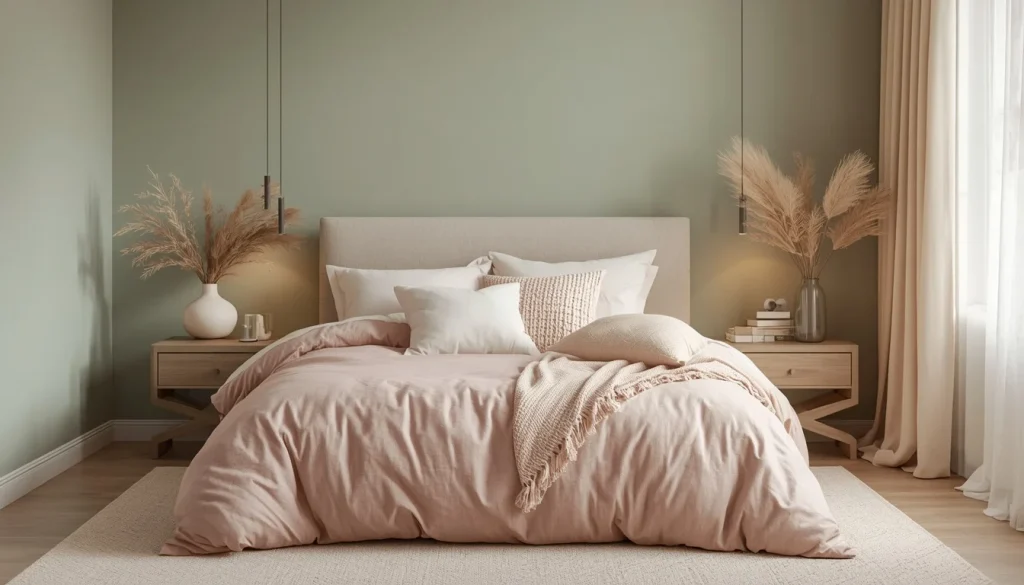
Sage green walls create a calm backdrop, while blush pink bedding introduces colour without making the entire room feel pink. This is a practical starting point if you want a noticeable change but still prefer a bedroom that feels relaxed.
Choose a muted sage rather than a bright green. For bedding, look for dusty blush, soft rose, or a subdued pink with a slightly warm undertone. Add cream sheets and one or two textured cushions to connect the colours.
Light oak bedside tables work particularly well because their natural finish softens the contrast between green and pink. If your furniture is already dark brown, retain it and introduce cream through the bedding instead of replacing everything.
Best for: Bedrooms where you want sage green to be the dominant colour.
2. Use Blush Pink Walls With Sage Green Accents
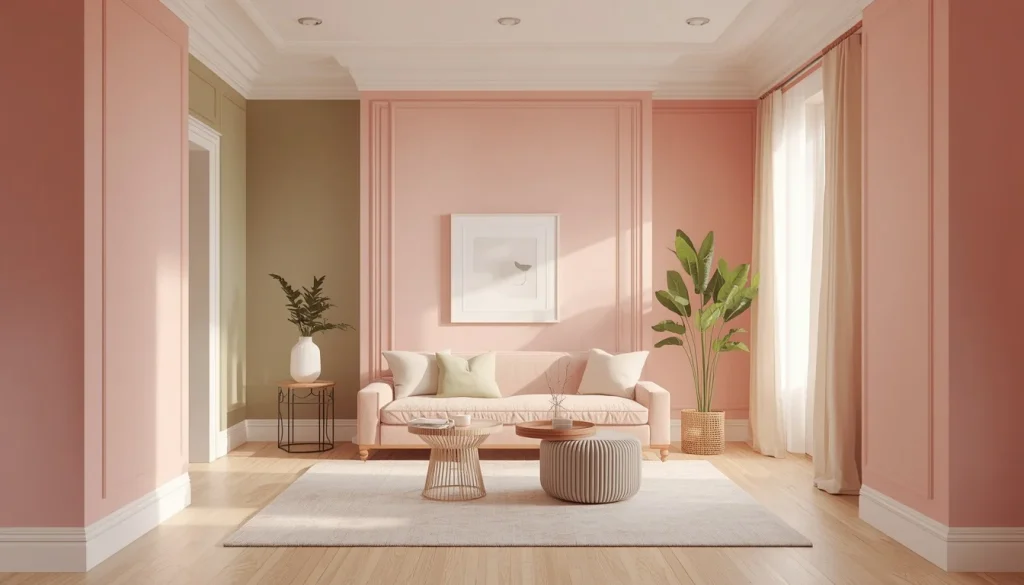
Blush pink walls offer a warmer alternative to an all-green bedroom. The look is especially effective when the pink is muted rather than sugary or highly saturated.
Introduce sage green through a headboard, cushions, a throw, bedside accessories, or a small upholstered chair. Cream bedding can help the two colours sit comfortably together.
If you are concerned that pink walls might look too sweet, keep the furniture simple. Straight-lined bedside tables, understated lighting, and plain curtains will give the room a more contemporary appearance.
You do not need to paint every wall pink. Try the colour behind the bed first and leave the remaining walls warm white or cream if you prefer a lighter overall effect.
Best for: Bedrooms that need warmth and a gentle alternative to neutral walls.
3. Combine Sage Green and Blush Pink With Warm White

Warm white is one of the easiest colours to use when sage green and blush pink seem difficult to balance. It breaks up the two colours and prevents the bedroom from looking too busy.
Start with warm white walls or bedding, then introduce sage green through curtains or a headboard and blush pink through cushions, a quilt, or artwork. This gives you flexibility if you are decorating a rental or working with existing furniture.
Choose a white with a soft, neutral or warm appearance rather than an icy white if the rest of your room contains beige, oak, or warm-toned flooring. The exact shade matters less than how it looks beside the colours already in the room.
For more colour-combination inspiration, explore these green bedroom ideas and adapt the palettes to suit your pink accents.
Best for: Small bedrooms, minimalist interiors, and rooms with limited daylight.
4. Add Natural Wood to Connect the Two Colours

Natural wood helps a sage and blush palette feel grounded rather than overly delicate. Oak tends to create a lighter, more relaxed look, while walnut adds depth and a more mature finish.
If you already own wooden furniture, use its existing tone as a guide. There is no need to match every piece exactly. A bed frame, nightstand, or wooden picture frame can provide enough visual continuity.
For a light and airy room, combine sage walls, blush bedding, pale oak furniture, and a cream rug. For a richer look, use walnut furniture with muted sage, dusty blush, and warm ivory bedding.
Avoid introducing too many unrelated wood finishes at once. Two complementary wood tones can look natural; several competing finishes may make the room feel less cohesive.
Best for: Anyone who wants a warm, timeless bedroom rather than a strongly pastel scheme.
5. Create a Modern Bedroom With Simple Furniture
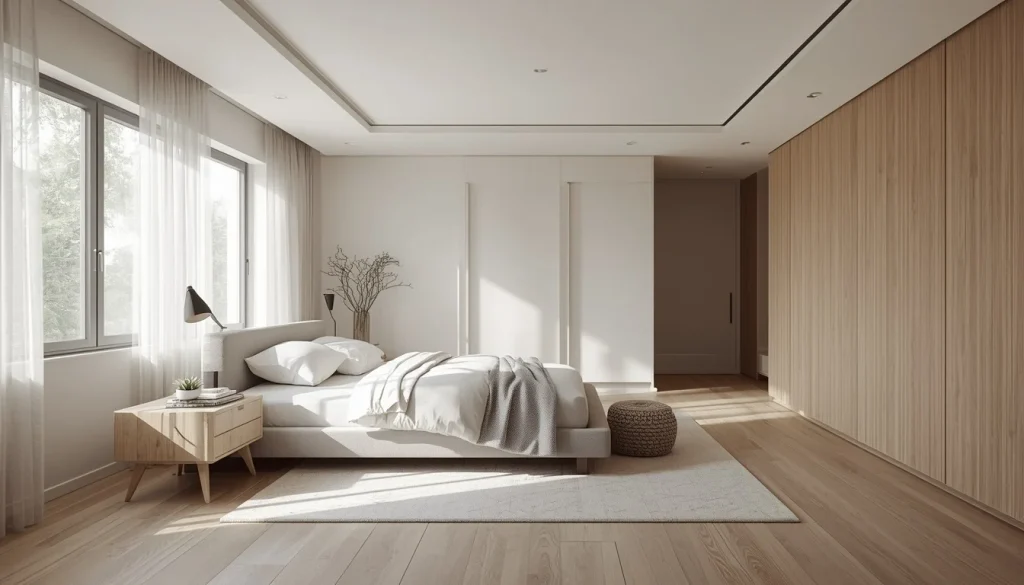
Sage and blush pink can work in a modern bedroom, but the furniture and accessories need to support the look. Too many decorative cushions, ornate furniture, and floral patterns can make the room feel more traditional than intended.
Choose a simple bed frame, streamlined nightstands, and lamps with clean silhouettes. Let the colours supply most of the decoration.
For example, a sage accent wall, blush duvet, white sheets, and two simple bedside lamps create a clear visual structure. Add one piece of artwork or a textured rug rather than filling every available surface.
A small amount of matte black can sharpen the design. Use it in a lamp base, drawer handles, or a picture frame, not necessarily in every accessory.
You can find more ideas in this guide to modern green bedroom ideas.
Best for: Contemporary homes and bedrooms that need a cleaner, less decorative look.
6. Use a Two-Tone Wall Behind the Bed
A two-tone wall lets you use both colours in a controlled way. Instead of painting the room entirely pink or green, divide one wall into two colour blocks.
One option is muted sage on the lower section and warm white or pale blush above it. Another is to use sage across most of the wall and reserve blush pink for a narrow band or painted shape behind the headboard.
The dividing line should relate to the furniture and architecture. A line that cuts awkwardly through the headboard or sits too close to the ceiling can make the wall feel unbalanced.
Measure carefully before painting, and test both colours beside each other. If you are unsure about using pink on a large surface, begin with a smaller section behind the bed.
Best for: Bedrooms that need a feature wall without busy wallpaper.
7. Introduce Floral Patterns Without Overdoing Them
Blush pink and sage green naturally suit botanical and floral patterns, but the scale and colour intensity of the print make a difference.
A small floral print can create a cottage-inspired bedroom, while a larger botanical design can become a strong focal point. If the wallpaper contains both sage and blush, keep the bedding mostly plain so the pattern remains easy to appreciate.
You can also introduce flowers through artwork, a cushion cover, or a quilt rather than covering a wall. This is a sensible choice if you like changing your decor regularly.
Avoid combining several competing floral prints unless you deliberately want a layered, maximalist look. For a calmer bedroom, repeat one or two colours from the main pattern elsewhere in the space.
Best for: Romantic, cottage-inspired, and softly traditional bedrooms.
How to Choose the Right Sage Green and Blush Pink Shades
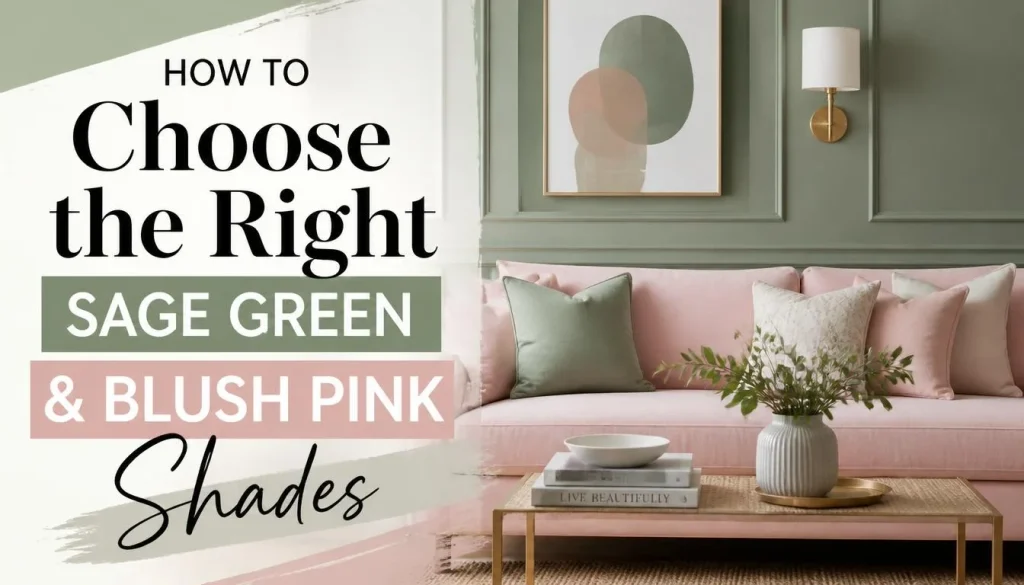
Choosing the right shades matters more than finding two colours with fashionable names. Sage and blush each have different undertones, and those undertones affect how the combination looks with flooring, furniture, daylight, and artificial lighting.
Warm Sage vs. Cool Sage
Warm sage tends to have a softer, earthy appearance. It often works well with cream bedding, natural oak, beige, and warm blush pink.
Cool sage may lean more towards grey. It can create a crisp, understated scheme, particularly when paired with clean white, pale wood, and a cooler dusty pink.
Neither option is automatically better. Look at the colour beside your flooring, curtains, and furniture before deciding. A sage that looks attractive on a small paint card may feel quite different across an entire wall.
Peachy Blush vs. Dusty Blush
Peachy blush contains a warmer, more peach-like quality. It can suit warm wood, cream, and earthy sage shades.
Dusty blush is more muted and often has a subtle grey or mauve quality. It can work particularly well with grey-green sage and understated modern furniture.
If your room already contains warm beige flooring and golden wood, a very cool pink may feel disconnected. In a room with grey flooring or cooler finishes, a dusty blush may feel more cohesive.
Test Paint Before Committing
Do not choose a wall colour based solely on a photograph or a paint sample viewed in a shop.
The Sherwin-Williams guide to choosing paint colours recommends considering existing finishes and how light affects colour. For practical testing, follow the advice in Benjamin Moore’s paint sample guide.
Apply samples to separate areas or movable boards and look at them in the morning, afternoon, and evening. Check them with your actual bedding and curtains nearby.
This simple step can prevent an expensive mistake, especially when a large painted surface will dominate the room.
Should Sage Green or Blush Pink Be the Main Colour?

There is no single correct proportion, but deciding which colour should lead makes the rest of the room easier to plan.
Make Sage Green the Dominant Colour
Choose this approach when you prefer an earthy, grounded appearance.
Use sage on the walls, headboard, or large textile pieces. Bring in blush pink through cushions, bedding, a throw, or artwork. Warm white and natural wood can provide the supporting neutral elements.
This arrangement is also useful when you want pink to remain an accent rather than the main visual feature.
Make Blush Pink the Dominant Colour
Choose blush pink for the walls, curtains, or bedding if you want the bedroom to feel warmer and softer.
Use sage green in smaller but noticeable areas, such as the headboard, bedside accessories, cushions, or a rug pattern. Keep some larger surfaces neutral to stop the room from becoming too pink.
Muted shades are usually easier to coordinate than highly saturated colours because they leave more room for natural materials and neutral finishes.
Use a Simple Starting Ratio
A useful starting point is approximately 60% dominant colour, 30% secondary colour, and 10% accent colour. You might use this as a guide for the overall visual impression rather than a precise measurement of every surface.
For example, a sage-led room might have sage walls, blush bedding and accessories, and small touches of brass or black. A pink-led room might use blush across the bed and curtains, with sage on the headboard and a few decorative pieces.
The ratio is flexible. Your existing flooring, furniture, and wall colours should influence the final result.
How to Make Sage Green and Blush Pink Look Modern
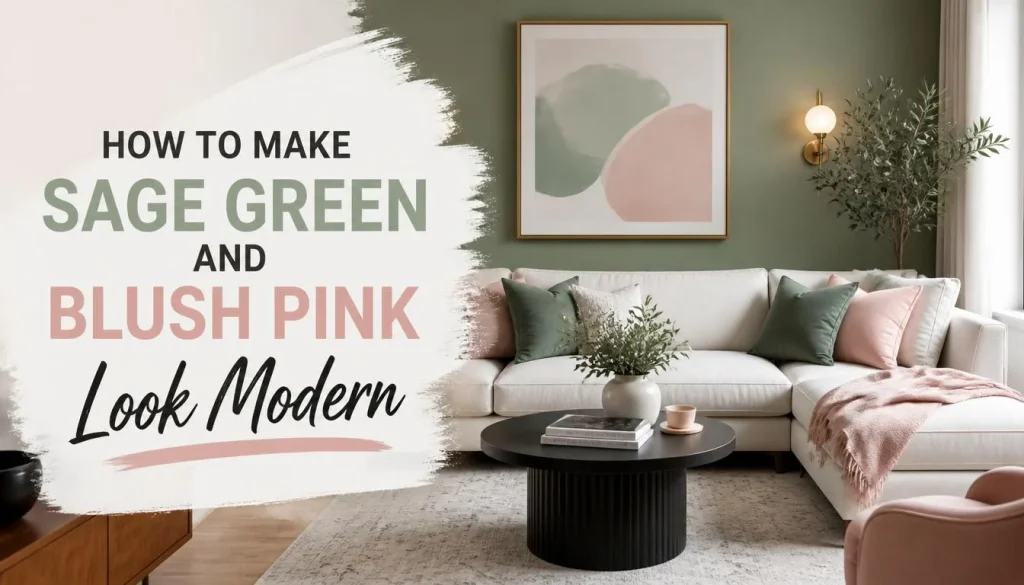
A bedroom can have contemporary colours and still feel dated or cluttered if every accessory follows the same theme. The goal is to combine the colours with restraint.
Choose One or Two Main Textures
Linen, cotton, wool, and subtle woven fabrics add depth without requiring more colours. A quilted bedspread, linen curtains, or a textured rug can make a simple palette feel considered.
Avoid introducing every texture at once. Choose a few that complement each other and suit how you use the room.
Keep Patterns in Proportion
If the room already has floral wallpaper, use mostly plain bedding. If the walls are simple, patterned cushions or a subtle quilt can supply interest.
Mixing small and large patterns is possible, but they should share colours or a similar visual character. Otherwise, the eye has too many places to focus.
Use Warm, Layered Lighting
A ceiling light alone may make the room look flat, particularly when the colours are muted. Add bedside lamps or wall lights for more comfortable evening lighting.
The light bulb’s colour temperature also matters. Warmer lighting may make blush pink appear peachier, while cooler lighting can emphasise grey in sage green.
Try the combination at night before buying multiple accessories. If the colours suddenly look too orange or too grey, check the bulb and the finishes in the room before changing the whole palette.
Add Metallic Accents Carefully
Brass and brushed gold can complement warm blush and earthy sage. Black metal can make a modern scheme look sharper.
You only need a few details, such as a lamp base, handles, or a small mirror frame. Matching every metal finish is not essential, but repeating one finish helps the room feel coordinated.
How to Fix Common Sage and Blush Bedroom Problems
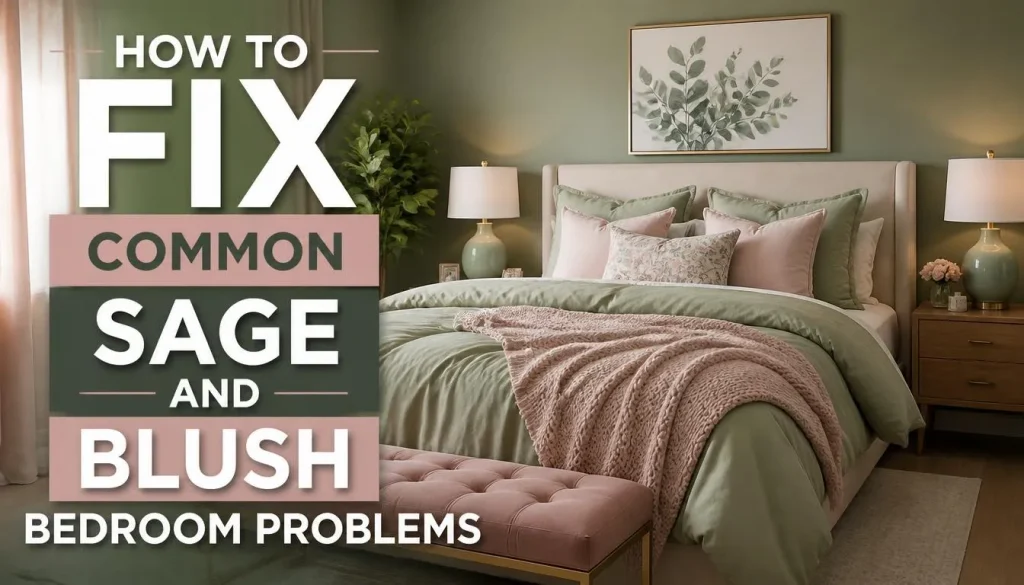
Sometimes a colour combination looks good in theory but does not work once it is in the room. Small adjustments are often enough to improve it.
Problem: The Room Looks Too Pink
Add more neutral surfaces before buying another colour. Cream bedding, a beige rug, natural wood, or simple white curtains can reduce the visual dominance of pink.
If the walls are the main issue, test a more muted blush on a sample area before repainting the whole room.
Problem: Sage Green Looks Grey or Dull
Check it in different lighting conditions. Limited daylight, cool light bulbs, and nearby grey finishes can affect how green appears.
Try warm white textiles or natural wood beside the sage before replacing the paint. If the shade still looks too cool, test a warmer sage sample on a separate surface.
Problem: The Colours Look Disconnected
Repeat each colour at least once elsewhere in the room. For example, connect a sage headboard with a small sage cushion, or repeat blush from the bedding in artwork.
Use a neutral colour to bridge the combination, particularly if the pink and green have noticeably different undertones.
Problem: The Room Feels Too Busy
Remove a few accessories rather than adding more. Plain bedding, fewer cushions, one main pattern, and clear bedside surfaces can make the colours easier to appreciate.
A cohesive bedroom does not need every item to match. It needs enough repetition to connect the palette and enough contrast to keep it interesting.
How to Use Sage Green and Blush Pink in a Small Bedroom
Small bedrooms benefit from a more deliberate use of colour. You can still use both shades, but you do not have to put them on every surface.
Choose a lighter sage for walls if you want the room to feel more open, then introduce blush through bedding or curtains. Warm white can keep the overall appearance light, while a mirror may help distribute available light visually.
Keep large furniture simple and avoid blocking windows with bulky curtains or oversized accessories. If storage is limited, prioritise bedside tables with drawers, under-bed storage where practical, and wall-mounted lighting that frees up surface space.
A small room can also support a darker sage accent wall, but consider the amount of daylight and the surrounding finishes first. Dark colours are not automatically unsuitable for small spaces; the important question is whether you want a brighter, more open appearance or a deliberately intimate one.
For additional space-saving approaches, browse more bedroom decorating ideas and adapt the suggestions to the dimensions of your room.
How to Create This Look Without Painting
You do not need to repaint your bedroom to try sage green and blush pink. In fact, introducing the colours through textiles is often the easiest way to find out whether you like them together.
Start with one sage item and one blush item. For example, use a sage throw with blush cushions, or blush bedding with sage curtains. Keep the remaining textiles neutral so you can judge the combination clearly.
You can also update the room through removable artwork, cushion covers, a small rug, or a lampshade. If your current furniture works well, keep it and change only the accessories that interrupt the colour scheme.
For renters, check the property’s rules before using removable wallpaper, adhesive hooks, or other products that may affect painted surfaces.
If you eventually decide to paint, choose a product appropriate for the room and follow its application and ventilation instructions. The US Environmental Protection Agency’s guidance on volatile organic compounds and indoor air quality explains why ventilation matters when using certain paints and household products.
Final Thoughts
Sage green and blush pink work best when each colour has a clear purpose. Sage can provide the main backdrop, blush can soften the room, and neutral shades, wood, and carefully chosen lighting can connect the whole design.
Start by looking at what you already own. Consider your flooring, daylight, furniture, and bedding before choosing paint. Then make one change at a time, whether that means adding a blush throw, introducing sage curtains, or testing a new wall colour.
You do not need to copy a perfectly styled bedroom to get a beautiful result. A few thoughtful choices can create a space that feels comfortable, balanced, and personal.

“A comfortable home and a healthy lifestyle go hand in hand.”
Hi, I’m Ethan Carter, the founder and lead editor of TheBestHomeFit. I’m passionate about helping people create beautiful, functional living spaces while building healthier lifestyles at home. Over the years, I’ve spent countless hours researching home decor trends, testing home gym equipment, and reviewing products to help readers make smarter buying decisions.
Through TheBestHomeFit, I share practical home improvement ideas, honest product reviews, buying guides, and fitness tips designed for everyday homeowners. My goal is to make it easier for you to create a home that looks great, feels comfortable, and supports your well-being.
When I’m not researching the latest products or writing in-depth guides, you’ll usually find me redesigning a room, trying new home workout routines, or enjoying quality time with my family.