Designing Ideas for Bedroom can feel overwhelming when your room has awkward corners, limited storage, poor lighting, or furniture that never quite looks right. You may know the basics, but turning a bedroom into a beautiful, relaxing, and practical space takes more than buying a new duvet cover.
The good news is that small, expert design choices can completely change how your bedroom looks and feels. In this guide, you’ll learn 25 practical bedroom design tips covering layout, color, lighting, furniture, storage, and styling.
How to Use Designing Ideas for Bedroom Without Overcrowding the Space
The best Designing Ideas for Bedroom are not about filling every wall, corner, and surface. A beautiful bedroom needs breathing room. Your goal is to create a space that feels calm, personal, and easy to use every day.
Start by deciding what your bedroom must do. Is it only for sleeping, or do you also need a reading corner, vanity, work desk, or extra wardrobe space? Once you know the function, you can choose furniture and decor that support your lifestyle instead of creating clutter.
A good bedroom usually balances three things: comfort, storage, and visual softness. If one of these is missing, the room often feels unfinished.
Best Designing Ideas for Bedroom Layout, Lighting, and Storage
Before buying decor, fix the basics: layout, lighting, and storage. These three areas have the biggest impact on how your bedroom works.
A poor layout makes even expensive furniture feel wrong. Bad lighting can make beautiful colors look dull. Weak storage creates visual mess, even if the room is nicely decorated.
Think of your bedroom like a quiet retreat. The bed should feel like the main feature, the walking paths should be clear, and the lighting should help you relax at night. Once these foundations are right, styling becomes much easier.
25 Expert Tips to Create a Beautiful Bedroom
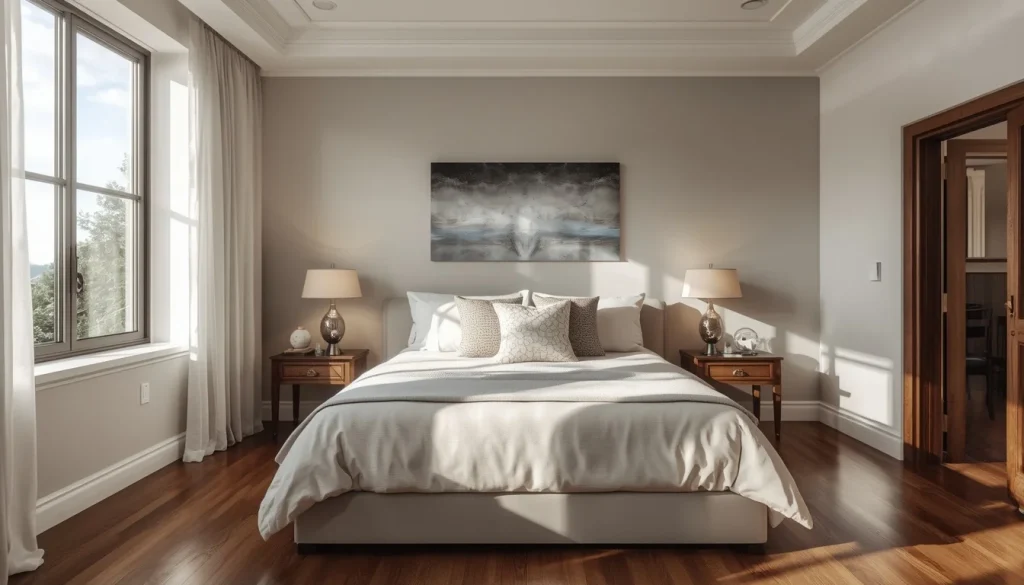
1. Start With the Bed Placement
Your bed is the main focal point, so place it first. In most bedrooms, the best position is against the longest solid wall, facing the door or slightly angled toward it.
Leave at least 24 inches of walking space on each side if possible. In smaller rooms, 18 inches can work, but avoid pushing the bed tight into a corner unless you have no other choice.
2. Choose the Right Bed Size for the Room
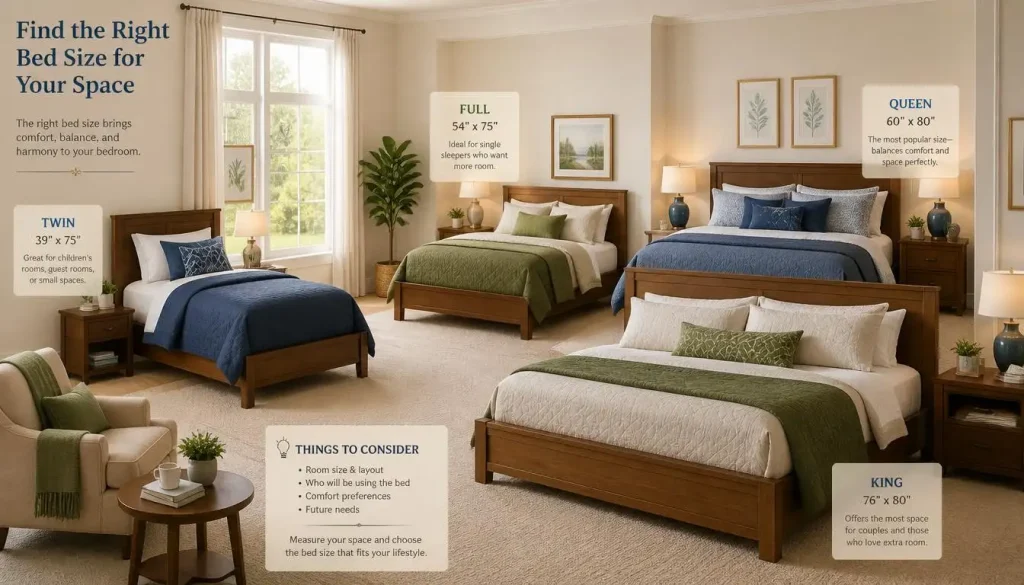
A king bed looks luxurious, but only if the room can handle it. If it blocks wardrobes, doors, or walking paths, it will make the space feel cramped.
As a general rule, use a queen bed for medium bedrooms and a king bed only if you still have room for bedside tables and clear movement. In the UK and Australia, check mattress dimensions carefully because “king” and “super king” sizes differ from US and Canadian sizing.
3. Create a Clear Focal Point
Most bedrooms need one strong focal point. This could be a statement headboard, wallpaper wall, large artwork, or a beautifully styled bed.
Avoid making every corner compete for attention. If your bed wall is bold, keep the opposite wall simpler. This helps the room feel calm instead of busy.
4. Use a Calming Color Palette
Bedroom color should support rest. Soft neutrals, warm whites, muted greens, dusty blues, taupe, beige, clay, and gentle greys work well in most homes.
If you love bold colors, use them in controlled areas such as cushions, art, curtains, or one accent wall. Deep navy, forest green, burgundy, and charcoal can look beautiful when balanced with lighter bedding and warm lighting.
5. Layer Your Lighting
A single ceiling light is rarely enough for a bedroom. You need layered lighting to create comfort and function.
Use three types of light:
- Ambient lighting for general brightness
- Task lighting for reading or dressing
- Accent lighting for warmth and mood
Bedside lamps, wall sconces, pendant lights, LED strips, and dimmable bulbs can all help. Warm white bulbs around 2700K to 3000K usually feel best in bedrooms.
6. Add Bedside Tables That Fit the Scale
Your bedside tables should match the height of your mattress or sit within 2 to 4 inches of it. If they are too low, reaching for a lamp, phone, or book becomes awkward.
For small rooms, use floating shelves or slim nightstands. For larger rooms, wider bedside tables with drawers add balance and storage.
7. Invest in Quality Bedding
Bedding has a huge visual impact because it covers a large area. Choose breathable materials such as cotton, linen, bamboo, or a good cotton-blend.
A simple bedding formula works well:
- Fitted sheet
- Flat sheet or duvet cover
- Two sleeping pillows
- Two decorative pillows
- One throw blanket
You do not need ten cushions to make a bed look beautiful. A clean, layered look often feels more expensive.
8. Use Texture to Add Depth
If your bedroom feels flat, add texture before adding more color. Texture makes a neutral room feel warm and finished.
Try linen bedding, boucle chairs, woven baskets, wool rugs, velvet cushions, wooden furniture, ceramic lamps, or rattan details. Mixing textures creates depth without making the room feel cluttered.
9. Choose Curtains That Make the Room Look Taller
Hang curtains higher and wider than the window frame. This makes the ceiling look taller and the window appear larger.
A good rule is to place the curtain rod 4 to 8 inches above the window, or close to the ceiling if the room is small. Let the curtains touch the floor or lightly break at the floor for a polished finish.
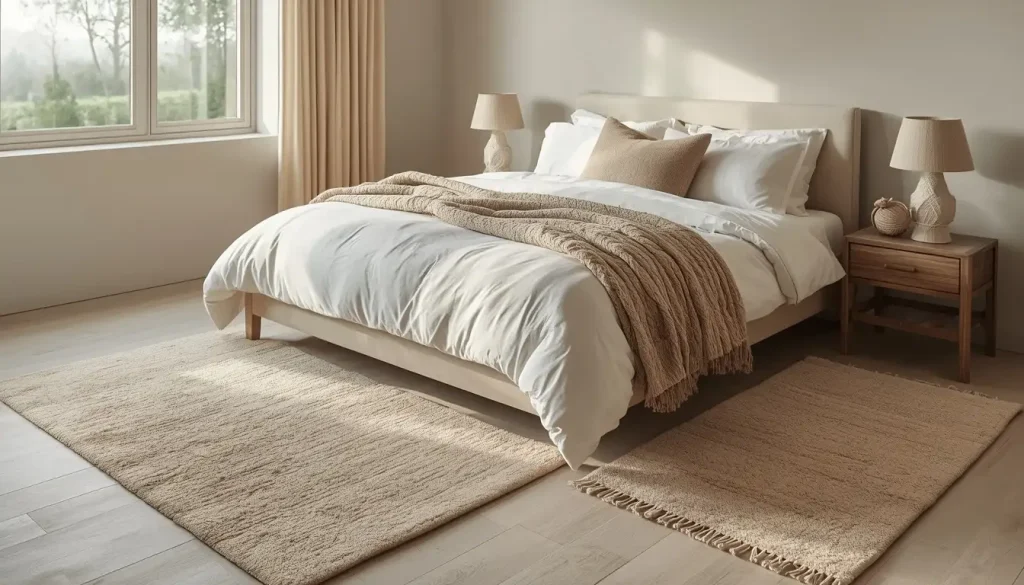
10. Use Rugs to Anchor the Bed
A rug can make a bedroom feel softer and more complete. For a queen bed, an 8×10 ft rug usually works well. For a king bed, a 9×12 ft rug often looks better.
The rug should extend beyond the sides and foot of the bed. If a large rug is too expensive, place runners on both sides of the bed instead.
11. Keep Storage Hidden Where Possible
Open storage can look stylish in photos, but it often becomes messy in real life. Use closed wardrobes, drawer units, under-bed storage, and lidded baskets to hide visual clutter.
If you rent and cannot install built-ins, consider freestanding wardrobes, fabric storage boxes, or a bed frame with drawers. In the US, UK, Canada, and Australia, budget-friendly storage beds usually start around USD $250, GBP £220, CAD $350, or AUD $400.
12. Add a Bench or Ottoman if Space Allows
A bench at the foot of the bed adds style and function. It gives you a place to sit, lay out clothes, or store extra blankets.
Choose a bench that is narrower than the bed. For a queen bed, a 45 to 55 inch bench often works well. For a king bed, choose something around 60 to 70 inches.
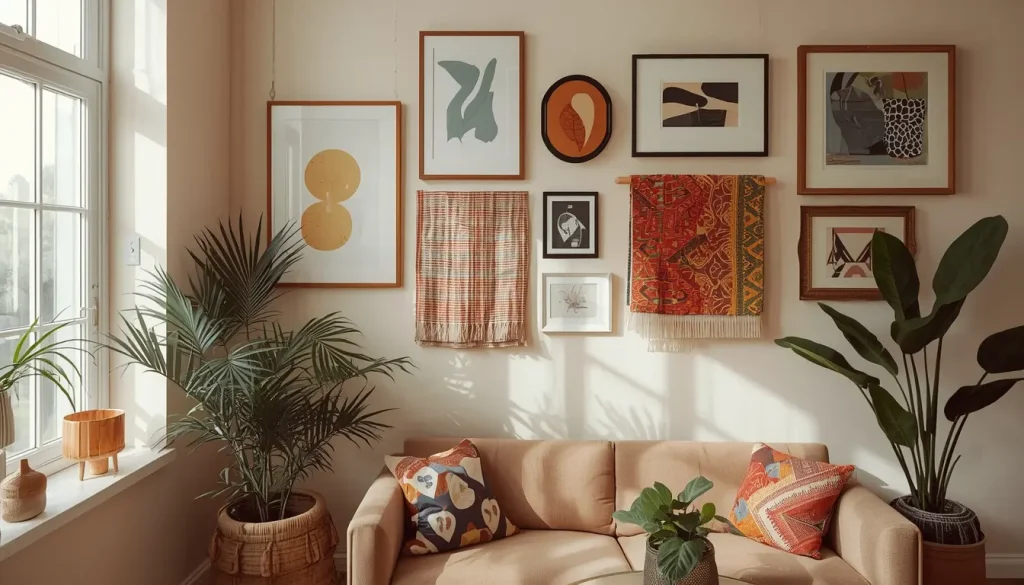
13. Style the Walls With Intention
Empty walls can make a bedroom feel unfinished, but too much wall decor can feel chaotic. Choose one or two wall areas to style well.
Good options include:
- One large artwork above the bed
- Two matching frames over bedside tables
- A gallery wall on a side wall
- A mirror opposite a window
- Textured wall panels behind the bed
Large art often looks more expensive than several tiny pieces.
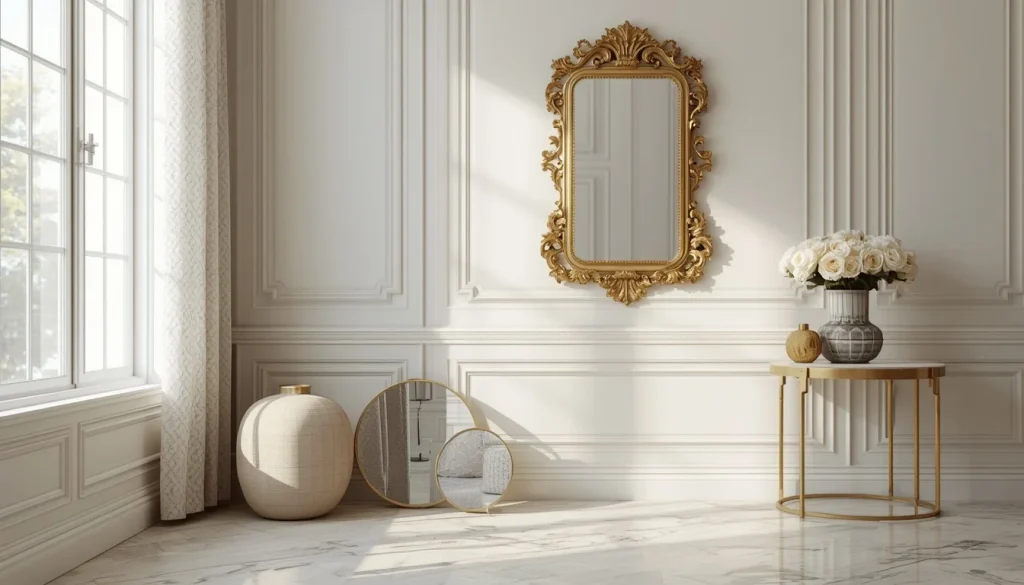
14. Use Mirrors to Improve Light
Mirrors can make a bedroom feel brighter and bigger. Place a mirror near a window to reflect natural light, or use a full-length mirror near your wardrobe for function.
Avoid placing a mirror where it reflects clutter, laundry, or a messy corner. A mirror doubles whatever it reflects, so make sure the view is attractive.
15. Make Small Bedrooms Feel Bigger
Small bedroom design is about smart editing. Choose fewer pieces, lighter colors, and furniture with visible legs to create a sense of space.
Use vertical storage, wall-mounted lamps, sliding wardrobe doors, and mirrors. Keep the floor as clear as possible. A room feels bigger when your eye can travel across open floor space.
16. Design Around Natural Light
Notice how sunlight enters your bedroom during the day. Morning light feels fresh and bright, while afternoon light can be warmer and stronger.
Use sheer curtains for privacy without blocking light. In hot climates or sunny rooms, add blackout curtains behind sheers to control heat and improve sleep.
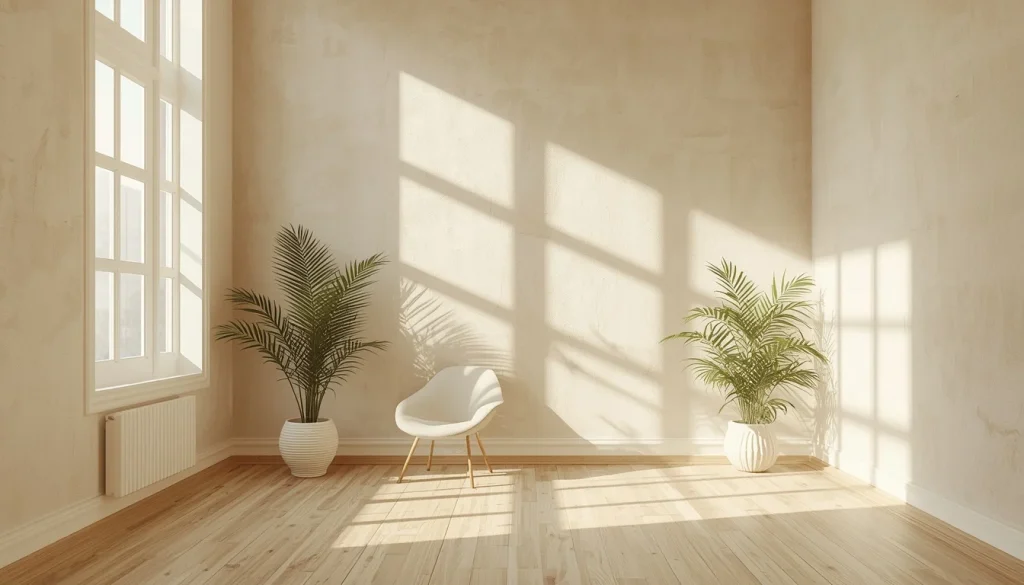
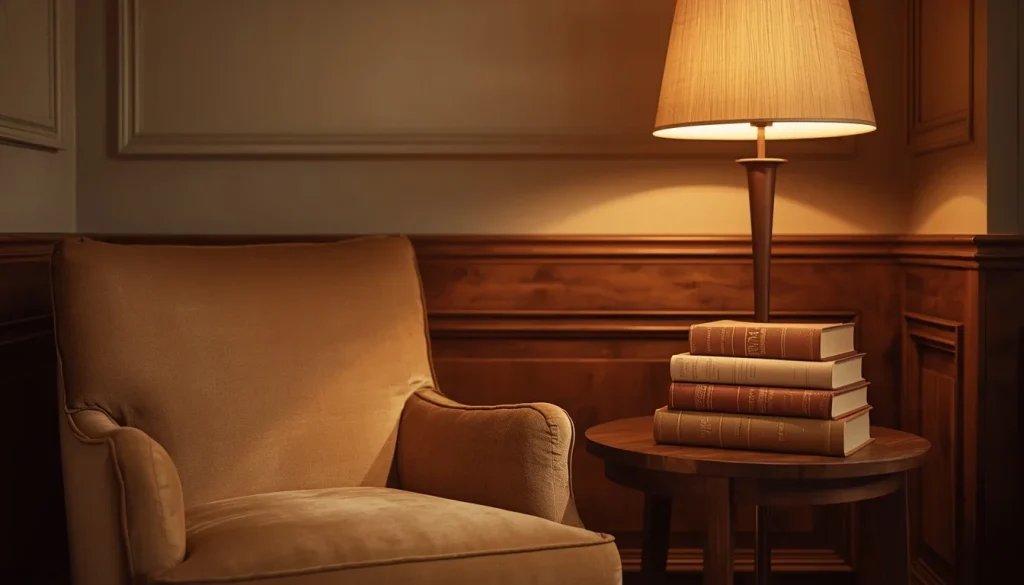
17. Add a Reading Corner
If your bedroom has an empty corner, turn it into a small reading spot. You only need a comfortable chair, a small side table, and a floor lamp.
Choose a chair that fits the room scale. In small bedrooms, a compact accent chair or upholstered stool works better than a bulky armchair.
18. Keep Technology Visually Quiet
TVs, cords, chargers, and devices can make a bedroom feel less peaceful. Hide cables with cord covers, cable boxes, or furniture with built-in cable management.
If you keep a TV in the bedroom, mount it cleanly or place it on a simple media unit. Avoid making the TV the main visual feature unless the room is designed for that purpose.
19. Use Symmetry for a Hotel-Like Look
Symmetry instantly makes a bedroom feel calm and polished. Matching bedside tables and lamps are an easy way to create this effect.
You do not need everything to match perfectly. Similar shapes, heights, or colors can still create balance. For example, two different lamps can work if they share the same finish or shade color.
20. Mix Old and New Pieces
A bedroom looks more personal when it includes a mix of old and new. Too many matching furniture sets can make the room feel like a showroom.
Pair a modern bed with vintage-style lamps. Use an antique dresser with clean bedding. Mix painted furniture with natural wood for a more collected look.
21. Choose the Right Wardrobe Strategy
Wardrobe design affects how tidy your bedroom feels. If you own your home, fitted wardrobes can make excellent use of awkward walls and alcoves.
If you rent, use modular wardrobes, garment rails with curtains, or tall drawer units. Keep everyday items at eye level and seasonal items higher up or under the bed.
22. Add Plants for Freshness
Plants bring life, color, and softness into a bedroom. Good low-maintenance options include snake plants, pothos, peace lilies, ZZ plants, and rubber plants.
If your bedroom has low light, choose realistic faux plants instead. A poor-quality fake plant can look cheap, so choose one with varied leaf tones and natural-looking stems.
23. Use Scent as Part of the Design
A beautiful bedroom should feel good beyond how it looks. Scent adds a relaxing layer to the room.
Try linen spray, reed diffusers, essential oil diffusers, or scented candles. Lavender, cedarwood, vanilla, eucalyptus, and sandalwood are popular bedroom scents. Always follow fire safety rules if using candles.
24. Edit the Surfaces
Cluttered surfaces make a bedroom feel stressful. Keep bedside tables, dressers, and vanities edited.
Use the “three-item rule” for styling. For example, a lamp, a book, and a small ceramic dish can be enough for a bedside table. On a dresser, try a mirror, a tray, and a vase.
25. Finish With Personal Details
The best bedroom decorating ideas still need personality. Add items that feel meaningful, not just trendy.
This could be framed travel photos, a handmade quilt, a favorite book stack, family heirlooms, or art you genuinely love. A bedroom should not look like everyone else’s Pinterest board. It should feel like you.
Bedroom Design Comparison Table
| Bedroom Element | Best Option for Small Rooms | Best Option for Large Rooms | Estimated Budget Range |
|---|---|---|---|
| Bed Frame | Platform bed or storage bed | Upholstered or statement bed | $200–$1,500 / £180–£1,200 / CAD $280–$1,800 / AUD $320–$2,000 |
| Lighting | Wall sconces or slim lamps | Table lamps, pendants, floor lamps | $40–$500 / £35–£400 / CAD $55–$650 / AUD $65–$750 |
| Rug | Runners or 5×8 ft rug | 8×10 ft or 9×12 ft rug | $80–$1,200 / £70–£950 / CAD $110–$1,500 / AUD $130–$1,700 |
| Storage | Under-bed drawers, floating shelves | Wardrobes, dressers, benches | $50–$2,500 / £45–£2,000 / CAD $70–$3,000 / AUD $80–$3,500 |
| Curtains | Floor-length light curtains | Layered sheers and blackout panels | $40–$600 / £35–£500 / CAD $55–$750 / AUD $65–$850 |
| Wall Decor | One large mirror or artwork | Gallery wall or textured feature wall | $30–$1,000 / £25–£800 / CAD $40–$1,250 / AUD $50–$1,400 |
Common Mistakes to Avoid When Designing a Bedroom
Buying Furniture Before Measuring
Always measure your room before buying furniture. Check wall lengths, door swings, wardrobe clearance, window positions, and walking paths.
A beautiful bed or dresser becomes a problem if it blocks movement. Use painter’s tape on the floor to test furniture sizes before ordering.
Using Only One Light Source
One overhead light can make a bedroom feel harsh and flat. Layered lighting gives you more control.
Use soft bedside lighting for evenings and brighter task lighting for dressing or reading. Dimmers are also worth adding if your setup allows it.
Choosing Style Over Comfort
A bedroom should look good, but it must also feel good. Avoid furniture, bedding, or rugs that look beautiful but feel uncomfortable.
Choose soft bedding, proper mattress support, and practical storage first. Style should support comfort, not replace it.
Overdecorating the Bed
Too many pillows can make daily bed-making annoying. If decor becomes a chore, you are less likely to maintain the look.
Keep it simple with two to four decorative pillows and one throw. This gives a styled look without extra hassle.
Ignoring Scale
Tiny lamps beside a tall headboard look awkward. A small rug under a large bed can make the room feel cheap.
Scale matters in bedroom interior design. Match the size of your lighting, art, rug, and furniture to the size of your bed and room.
Forgetting About Daily Habits
Your room should work with your real routine. If you drop clothes on a chair every night, add a laundry basket or wall hooks nearby.
If you read before bed, add a proper lamp. If you charge devices overnight, choose a bedside table with hidden cable storage.
FAQs About Bedroom Designing Ideas
What is the best way to start designing a bedroom?
Start with the layout and bed placement before choosing colors or decor. Once the bed, storage, and walking paths are right, it becomes easier to select lighting, bedding, rugs, and wall decor.
How can I make my bedroom look expensive on a budget?
Focus on bedding, lighting, curtains, and decluttering. Floor-length curtains, warm lamps, a large rug, and clean surfaces can make a bedroom look high-end without a full renovation.
What colors make a bedroom feel calm?
Soft neutrals, warm whites, muted greens, dusty blues, beige, taupe, and gentle greys usually feel calming. For a cozy mood, deeper shades like navy, olive, charcoal, or warm brown can work well when balanced with soft lighting.
How do I decorate a small bedroom without making it cluttered?
Use furniture with hidden storage, wall-mounted lighting, mirrors, and a simple color palette. Avoid oversized furniture and keep floors as clear as possible to make the room feel bigger.
Should bedroom furniture match?
Bedroom furniture does not need to match exactly. A room often looks more stylish when pieces coordinate through color, material, shape, or finish instead of coming from one matching set.
What should every bedroom have?
Every bedroom should have a comfortable bed, good lighting, practical storage, soft bedding, window coverings, and at least one personal detail. These basics create a room that feels both useful and inviting.
How can I make my bedroom feel cozy?
Use warm lighting, soft bedding, layered textures, curtains, rugs, and calming colors. Cozy bedroom design is about comfort, softness, and creating a space that feels restful at the end of the day.
Conclusion
Designing Ideas for Bedroom works best when you focus on comfort, layout, lighting, storage, and personal style together. You do not need a huge budget or a full renovation to create a beautiful space. Start with the bed placement, improve your lighting, choose calming colors, and add texture through bedding, curtains, rugs, and decor.
Once the basics are right, your bedroom will feel more peaceful, practical, and polished. Use these 25 expert tips step by step, and you can turn even a plain or awkward bedroom into a space you genuinely enjoy every day. For more help, explore related guides on TheBestHomeFit.com or leave a question about your bedroom design challenge.

“A comfortable home and a healthy lifestyle go hand in hand.”
Hi, I’m Ethan Carter, the founder and lead editor of TheBestHomeFit. I’m passionate about helping people create beautiful, functional living spaces while building healthier lifestyles at home. Over the years, I’ve spent countless hours researching home decor trends, testing home gym equipment, and reviewing products to help readers make smarter buying decisions.
Through TheBestHomeFit, I share practical home improvement ideas, honest product reviews, buying guides, and fitness tips designed for everyday homeowners. My goal is to make it easier for you to create a home that looks great, feels comfortable, and supports your well-being.
When I’m not researching the latest products or writing in-depth guides, you’ll usually find me redesigning a room, trying new home workout routines, or enjoying quality time with my family.