
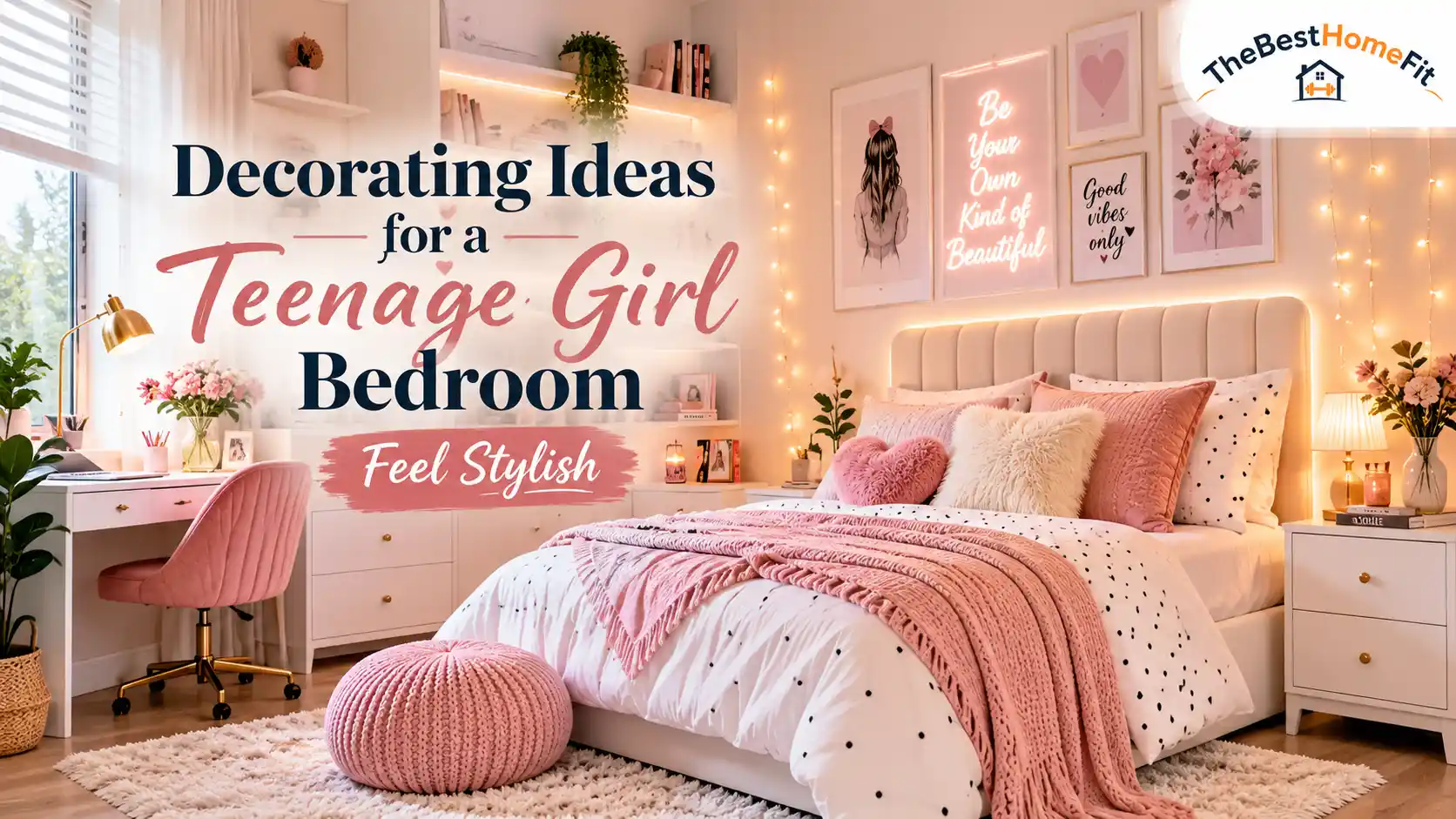
Decorating a teenage girl’s bedroom involves more than choosing a pretty paint color or buying trendy accessories. A teen’s bedroom may serve as a place to sleep, study, get ready, enjoy hobbies, relax, and spend time with friends. The best design should therefore balance personality, comfort, organization, and everyday function.
Start by involving your teen in the decorating process. Ask which colors, styles, hobbies, and room features matter most to her. Then create a flexible foundation that can adapt as her interests change.
Whether you are decorating a small bedroom, refreshing a shared room, working with a limited budget, or planning a complete makeover, these decorating ideas for a teenage girl bedroom can help you create a room that feels stylish without becoming impractical.
How Do You Decorate a Teenage Girl’s Bedroom?
To decorate a teenage girl’s bedroom, choose a flexible color palette, divide the room into functional zones, provide enough storage, create a comfortable study area, and add layered lighting. Personalize the room with photos, artwork, books, collections, and accessories that reflect her interests.
The goal is not to copy a showroom or social media image exactly. It is to create a comfortable space that works for your teen’s real routine.
Plan the Bedroom Before You Start Decorating
A little planning can prevent expensive mistakes and make the final room feel more organized.
Ask Your Teen What She Actually Wants
Parents and teenagers may have different ideas about what the bedroom should look like. Instead of selecting everything yourself, ask your teen to choose several elements, such as:
- Her favorite colors
- Preferred bedroom style
- Activities she does in the room
- Items she wants to display
- Storage problems she wants to solve
- Furniture she wants to keep
- Features she considers essential
You can still establish limits related to budget, safety, maintenance, and permanent changes. However, giving your teen meaningful choices will make the bedroom feel like her own space.
Create a Simple Mood Board
Collect several room images that represent the desired look. Add paint colors, fabric samples, furniture ideas, lighting, wall décor, and storage solutions.
Look for repeated features across the images. Your teen may consistently choose warm neutral colors, floral patterns, dark furniture, colorful wall art, or minimalist rooms. These repeated details can help you define a clear direction.
Measure the Entire Room
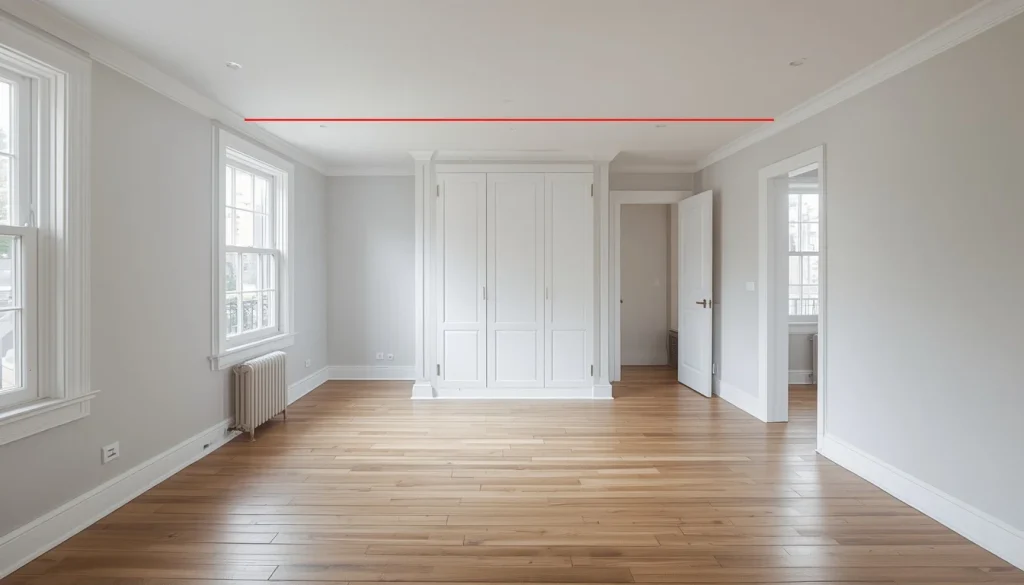
Measure the walls, ceiling height, windows, doors, closet or wardrobe, and existing furniture. Record the location of:
- Electrical outlets or power points
- Heating vents and radiators
- Built-in storage
- Light switches
- Windows
- Doors
- Awkward corners
- Sloped ceilings
Do not purchase a new bed, desk, dresser, or vanity until you know it will fit comfortably.
Divide the Room Into Functional Zones
Even a small teenage bedroom can benefit from separate activity zones. Depending on the available space, plan areas for:
- Sleeping
- Studying
- Dressing
- Storage
- Relaxing
- Hobbies
- Spending time with friends
The zones do not need physical dividers. A rug, lamp, wall color, shelf, or furniture arrangement can visually separate one area from another.
Choose a Design That Can Grow With Her
A bedroom based entirely on one temporary trend may feel outdated quickly. Use larger, more expensive items as the flexible foundation of the room.
A neutral bed frame, practical desk, simple dresser, and timeless curtains can remain useful for years. Trends can be introduced through less expensive items such as pillows, prints, bedding, lamps, and removable wallpaper.
Current bedroom-design coverage continues to emphasize flexible storage, comfortable bedding, defined study areas, personal décor, and layered lighting rather than relying on decoration alone.
30 Decorating Ideas for a Teenage Girl Bedroom
1. Let Her Personality Guide the Design
A teenage girl’s bedroom should reflect the person who uses it. Instead of creating a generic “girl’s room,” choose décor connected to her personality, interests, and daily life.
A teen who loves books may prefer wall-mounted bookshelves and a reading chair. A musician may want an instrument display and space for headphones. An artist may need supply storage, a washable work surface, and a place to display original artwork.
Personal interests make a bedroom feel authentic, while generic decorations can make it feel like a temporary display.
2. Build the Room Around a Three-Color Palette
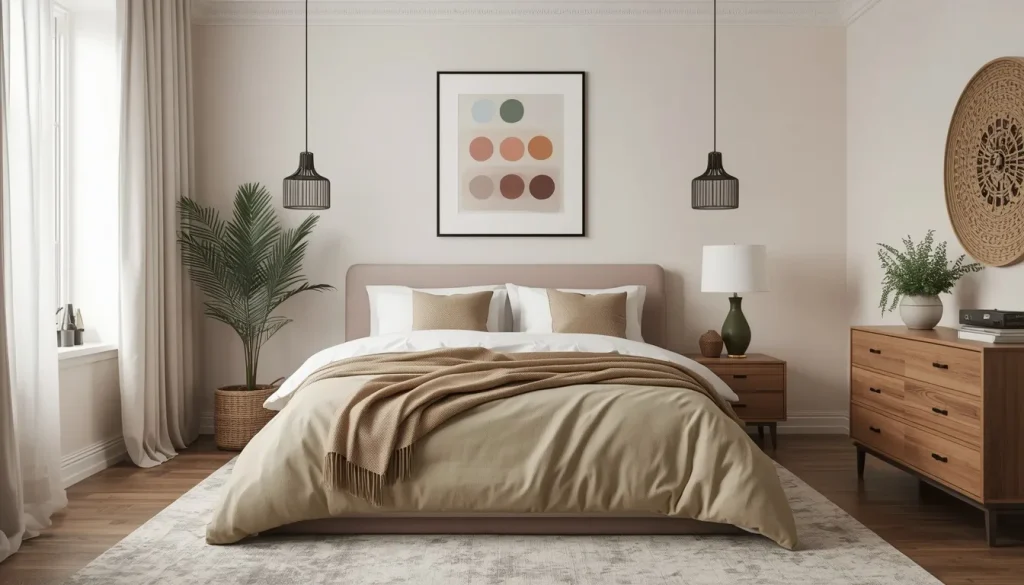
A three-color palette can make decorating easier and reduce visual clutter.
Choose:
- One main color for walls or large surfaces
- One secondary color for bedding, curtains, or furniture
- One accent color for accessories and artwork
For example, a room could combine warm white walls, sage green bedding, and terracotta accents. Another room might use beige, dusty pink, and dark brown.
The colors do not need to appear in equal amounts. The main color should dominate, while the accent color should be used more selectively.
3. Try Sophisticated Alternatives to Bright Pink
Pink can still work beautifully in a teenage bedroom, but it is not the only option. Consider colors that feel youthful without looking childish, such as:
- Sage green
- Lavender
- Dusty blue
- Soft peach
- Warm beige
- Terracotta
- Deep navy
- Forest green
- Burgundy
- Charcoal
Ask your teen to test paint samples on different walls. A color may look completely different under natural daylight, warm lamps, or cool overhead lighting.
4. Create a Statement Wall
A statement wall adds personality without overwhelming the entire room.
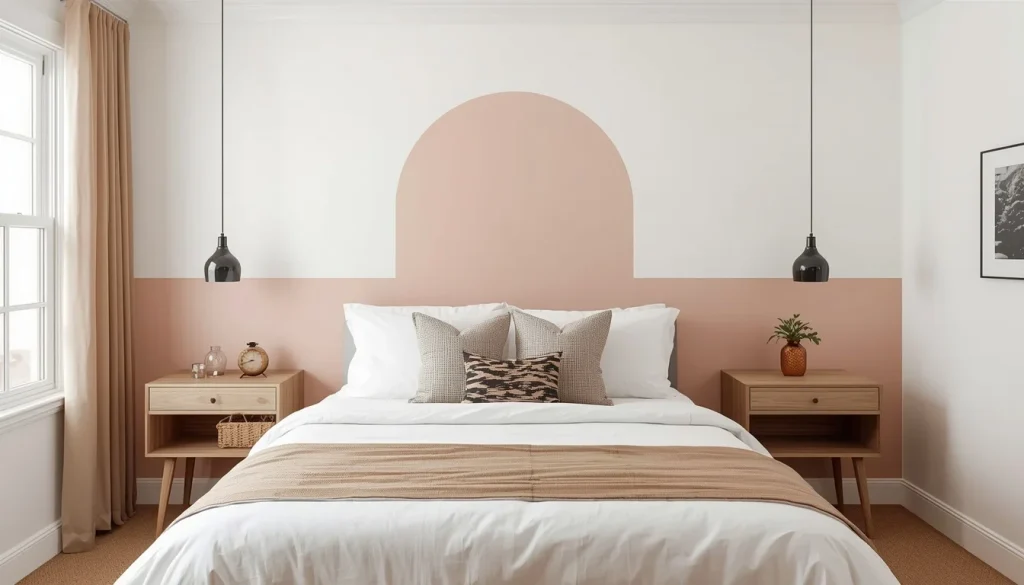
Possible options include:
- A contrasting paint color
- Peel-and-stick wallpaper
- A painted arch behind the bed
- A simple mural
- Wooden wall panels
- Oversized artwork
- A photo display
- Decorative wall decals
Place the statement wall behind the bed, desk, or vanity so that it visually defines an important area.
For a rental bedroom, removable wallpaper and decals can create a dramatic change without making a permanent alteration.
5. Design a Personalized Gallery Wall
A gallery wall can include more than framed prints. Combine meaningful objects that represent your teen’s life and interests.
Possible additions include:
- Family and friendship photos
- Concert tickets
- Travel postcards
- Original artwork
- Favorite book covers
- Certificates
- Pressed flowers
- Small mirrors
- Inspirational typography
- Fabric samples
- Vinyl records
- Magazine covers
Plan the arrangement on the floor before attaching anything to the wall. Maintain similar spacing between pieces to keep a mixed collection looking intentional.
6. Make the Bed the Main Focal Point
The bed is usually the largest item in the room, so it should visually anchor the design.
You can emphasize it with:
- An upholstered headboard
- A painted wall shape
- Removable wallpaper
- Matching bedside lights
- A canopy
- Framed artwork
- Layered bedding
- A large rug
A simple bed can look more finished when the surrounding wall and bedding are thoughtfully coordinated.
7. Layer the Bedding for a Cozy Look
Layered bedding makes a teenage girl’s bedroom feel comfortable and visually complete.
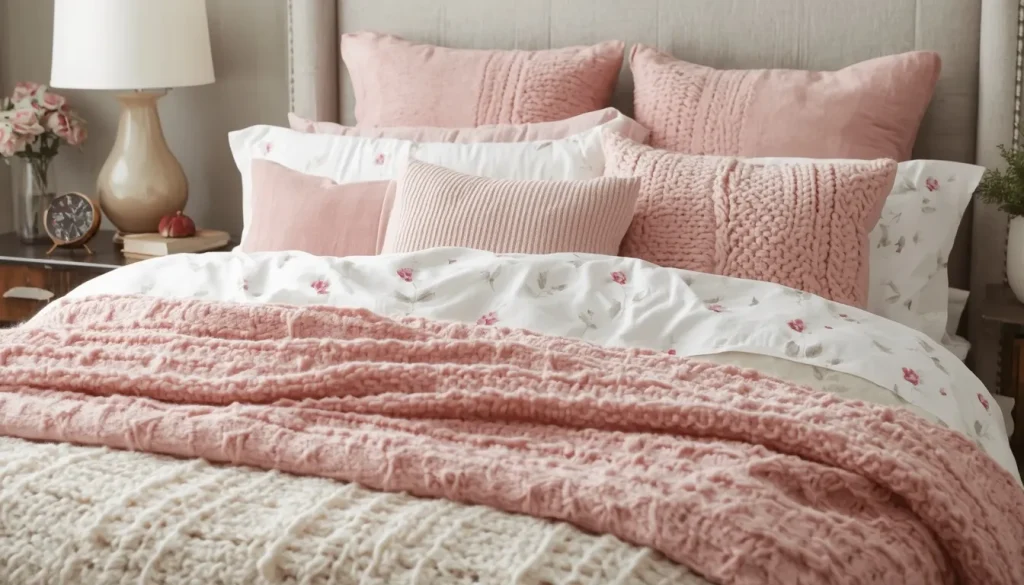
Start with practical sheets and a duvet or comforter. Then add:
- A folded throw blanket
- Two or three decorative pillows
- One textured cushion
- A lightweight quilt
- A lumbar pillow
Mixing textures often creates more depth than adding many colors. Cotton, linen, velvet, boucle, faux fur, and chunky knit materials can work together when the palette remains coordinated.
Avoid filling the bed with so many decorative pillows that making the bed becomes frustrating.
8. Use Layered Lighting Instead of One Bright Fixture
A single ceiling light rarely provides the right lighting for every bedroom activity. Combine several light sources to make the room more comfortable and functional.
A practical lighting plan may include:
- General ceiling lighting
- A bedside reading lamp
- A focused desk lamp
- Vanity lighting
- A floor lamp near a chair
- Soft decorative lighting
- Dimmable bulbs
Warm ambient lighting can make the room feel relaxing in the evening, while brighter task lighting is better for homework, reading, makeup, crafts, and computer use.
Do not place string lights, fabric decorations, or electrical cords where they could overheat, become damaged, or create a tripping hazard.
9. Create a Proper Study Area
A dedicated study area can help keep schoolwork away from the bed and reduce clutter throughout the room.
Whenever possible, position the desk near natural light without placing the computer screen directly in front of a bright window.
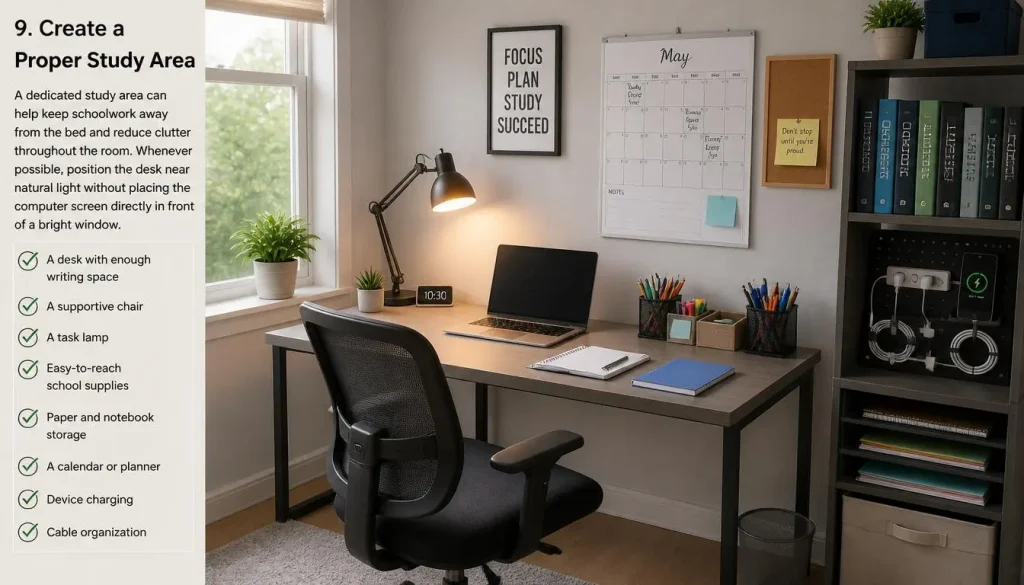
Include:
- A desk with enough writing space
- A supportive chair
- A task lamp
- Easy-to-reach school supplies
- Paper and notebook storage
- A calendar or planner
- Device charging
- Cable organization
Keep the desk visually simple. Too many decorative objects can reduce the amount of usable workspace.
10. Combine the Desk and Vanity
A desk-and-vanity combination is useful in a small teenage girl’s bedroom where two separate pieces of furniture would take up too much space.
Choose a desk with drawers and add:
- A tabletop or wall-mounted mirror
- A small organizer for beauty products
- A tray for jewelry
- A lamp with flattering light
- A stool or chair that slides underneath
Store study supplies on one side and personal-care items on the other. Use closed containers to make it easy to switch between getting ready and doing homework.
11. Add a Floating Vanity in a Small Room
A wall-mounted vanity can provide a getting-ready area without occupying much floor space.
Install a narrow floating shelf or drawer unit at a comfortable height. Add a mirror above it and place a small stool underneath.
This arrangement works particularly well in narrow bedrooms, rental rooms, and spaces with limited storage. Confirm that the wall and mounting hardware can safely support the vanity and anything placed on it.
12. Create an Organized Technology Zone
Phones, tablets, headphones, laptops, watches, and gaming accessories can quickly create visual clutter.
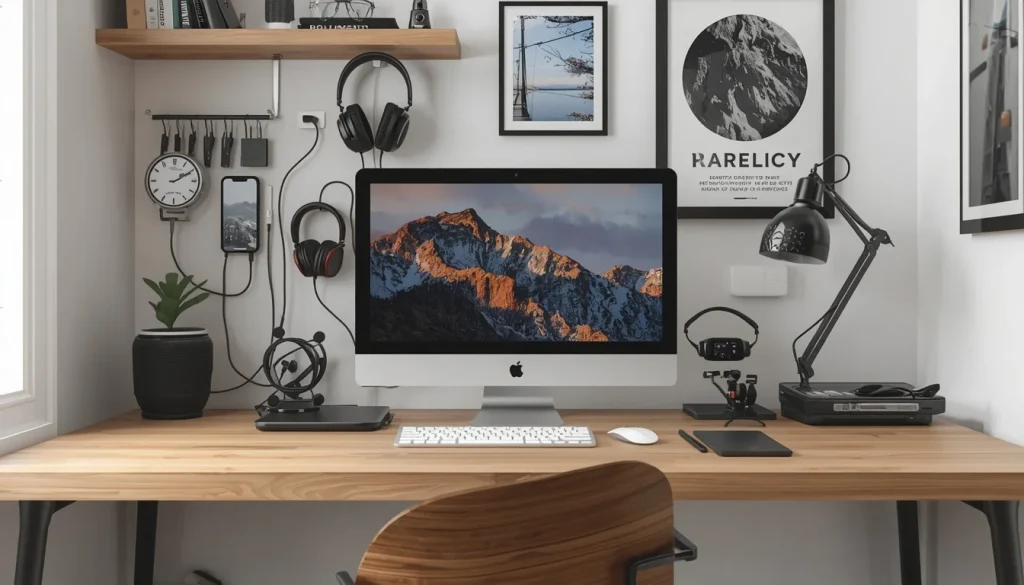
Designate one location for technology and include:
- A charging station
- Cable clips
- Labeled cords
- A headphone hook
- A small device drawer
- Ventilated laptop storage
- A surge protector where appropriate
Avoid running loose cords across walkways or placing charging devices under pillows, blankets, or piles of clothing.
A technology zone can be part of the desk, bedside area, or gaming corner.
13. Use Under-Bed Storage
The area under the bed is valuable storage space, especially in a small teenage bedroom.
Use it for:
- Seasonal clothing
- Extra bedding
- Shoes
- Bags
- Sports equipment
- Craft materials
- Sentimental items
Choose low storage boxes with lids to protect items from dust. Clear containers make contents easy to identify, while matching opaque boxes create a cleaner appearance.
A bed with built-in drawers may be a better long-term choice when the room lacks a large closet or wardrobe.
14. Add Vertical Storage
When floor space is limited, use the walls.
Vertical storage options include:
- Tall bookcases
- Floating shelves
- Wall-mounted cabinets
- Pegboards
- Over-the-door organizers
- Hooks
- Picture ledges
- Narrow corner shelving
Store frequently used items at an accessible height. Place lighter decorative items on higher shelves and heavier belongings lower down.
Avoid covering every wall with storage. Leaving some open space will help the room feel calmer.
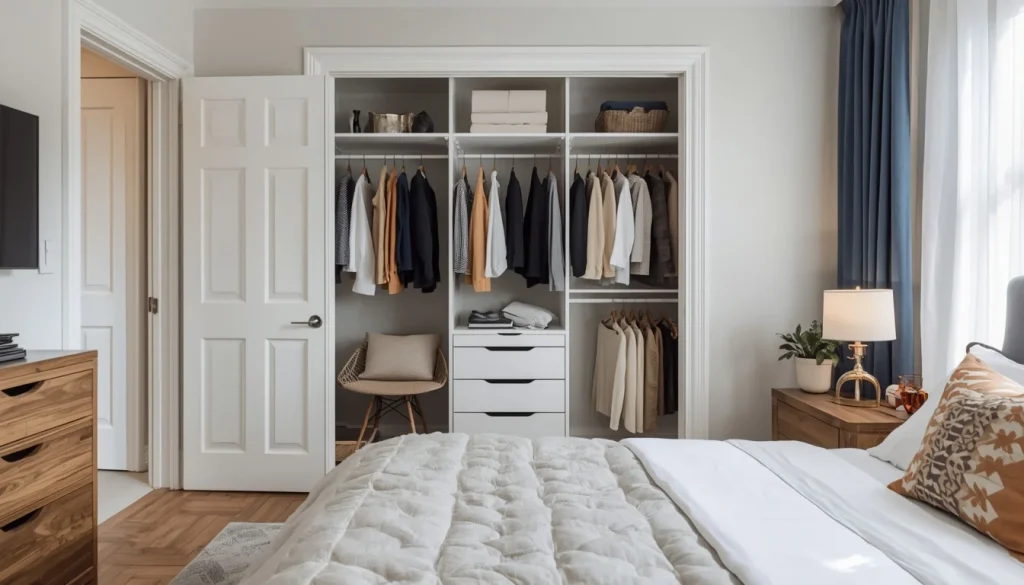
15. Organize the Closet or Wardrobe
A well-organized closet or wardrobe can reduce visible clutter throughout the bedroom.
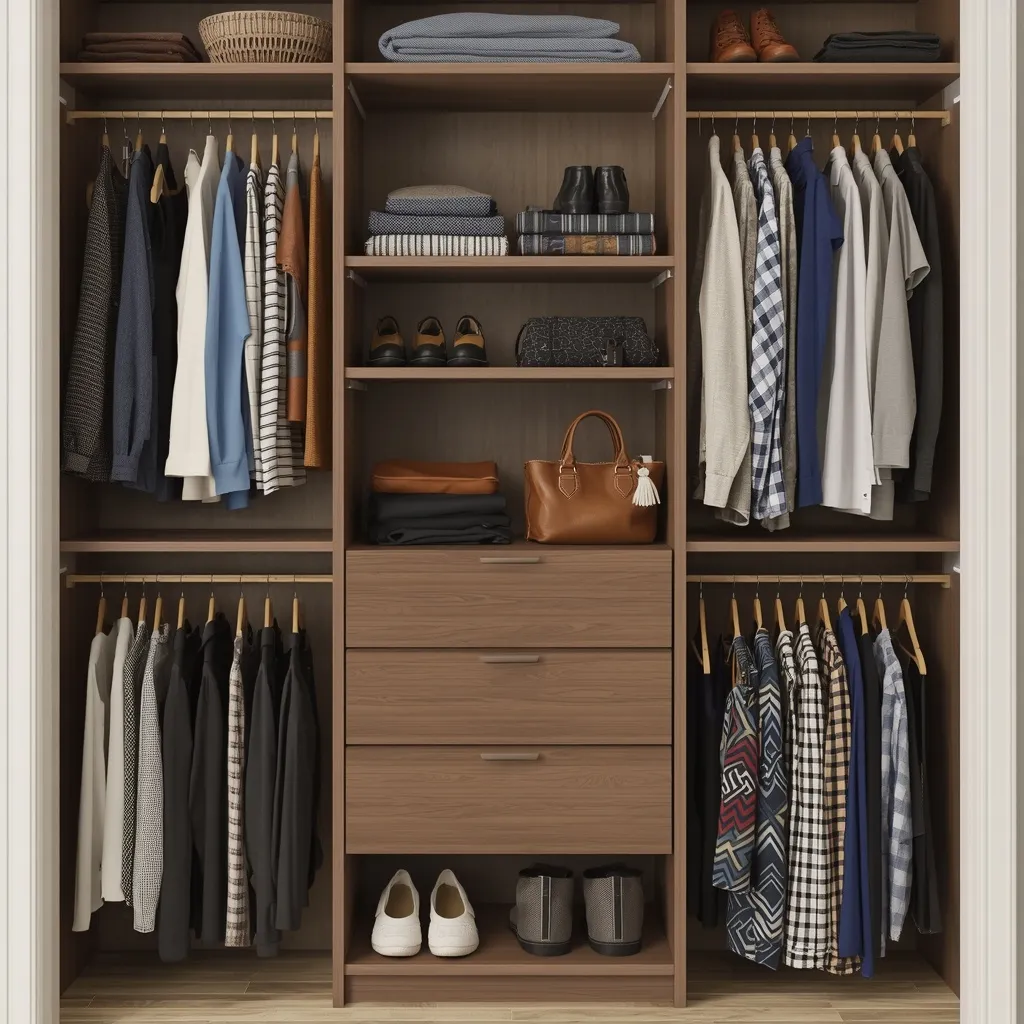
Create separate areas for:
- Hanging clothes
- Folded clothes
- Shoes
- Bags
- Accessories
- Seasonal clothing
- Laundry
Matching hangers can make a small closet feel more orderly. Shelf dividers, labeled baskets, hanging organizers, and slim shoe racks can also improve capacity.
Encourage your teen to remove clothing that no longer fits or is no longer worn before buying additional organizers.
16. Add a Full-Length Mirror
A full-length mirror is useful for getting ready and can make a small bedroom feel brighter by reflecting light.
Possible placements include:
- Beside the wardrobe
- On the back of a door
- In a dressing corner
- Leaning securely against a wall
- Mounted above a narrow vanity
Make sure a large or heavy mirror is installed securely. Do not place it where it blocks a walkway or reflects distracting light toward the bed.
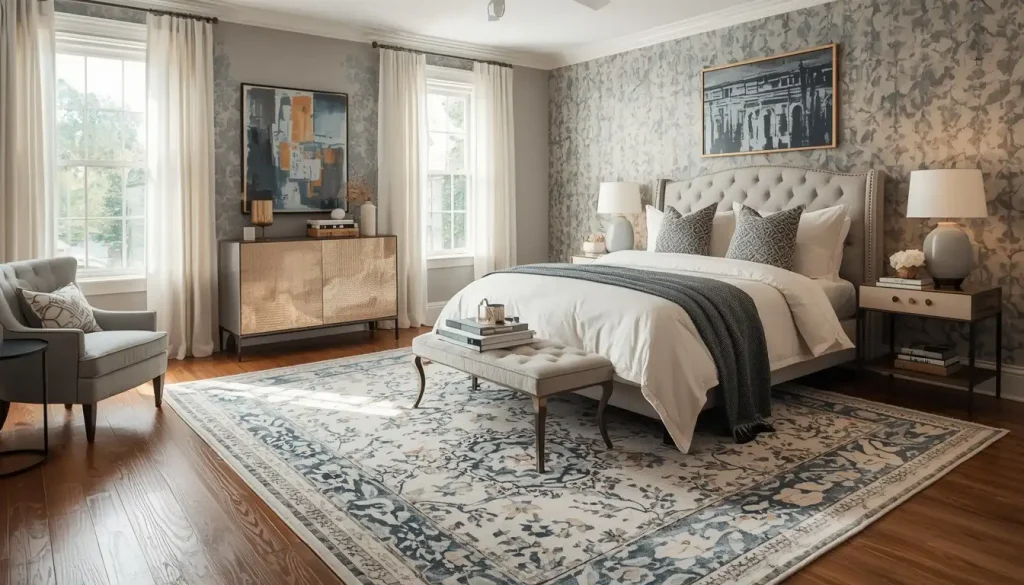
17. Choose the Right Area Rug
A rug can add softness, color, texture, and visual structure to the room.
For a more finished appearance, choose a rug large enough to extend beyond the sides of the bed. In a very small room, place a runner beside the bed or use a compact rug under a chair or vanity.
A washable rug may be practical for rooms used for snacks, makeup, crafts, or art projects.
Avoid selecting a rug that is so small it appears disconnected from the furniture.
18. Layer Curtains for Light and Privacy
Window treatments affect sleep, privacy, temperature, and the overall appearance of the bedroom.
A flexible combination is:
- Lightweight sheer curtains for daytime privacy
- Blackout curtains or blinds for sleep and light control
Hang curtains slightly above and outside the window frame to make the window appear larger. In a small bedroom, simple curtains in a color close to the wall can keep the room feeling open.
Check that long curtains are not touching heaters, blocking vents, or creating a trip hazard.
19. Create a Reading or Relaxation Corner
A teenage bedroom should include somewhere to relax other than the bed when space allows.
Use:
- A comfortable chair
- A beanbag
- A floor cushion
- A window seat
- A compact lounge chair
- A small side table
- A reading lamp
Add a basket for books or blankets. A small rug can visually separate the corner from the rest of the room.
In a very small bedroom, a supportive backrest pillow can turn the bed into a temporary reading area during the day.
20. Make Space for Friends and Sleepovers
Teenagers often use their bedrooms as social spaces. Flexible seating can make the room more welcoming without permanently filling it with furniture.
Consider:
- Floor cushions
- Folding chairs
- A storage ottoman
- A beanbag
- Stackable stools
- A daybed
- A trundle bed
- Nesting side tables
Store an extra blanket and pillow in a basket, closet, wardrobe, or under-bed container.
Keep enough open floor space for movement. A room does not need permanent seating for several people if flexible options can be stored when they are not being used.
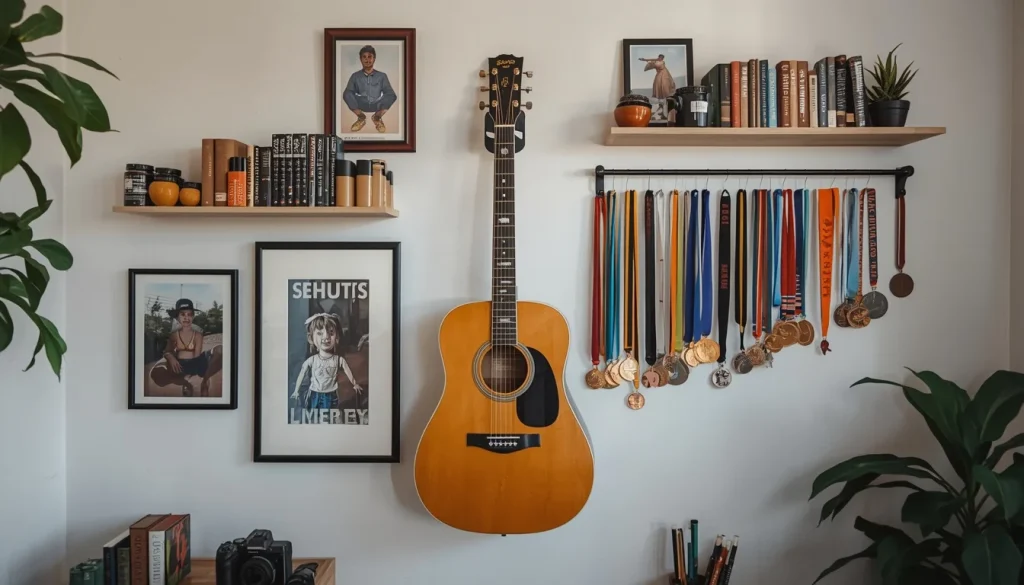
21. Decorate Around Her Hobbies
Hobbies can become useful and meaningful décor.
Examples include:
- Displaying a guitar on a secure wall mount
- Creating a shelf for favorite books
- Framing original artwork
- Organizing craft supplies by color
- Displaying sports medals
- Creating a photography board
- Adding a sewing or fashion-design corner
- Storing dance equipment neatly
- Displaying travel memories
- Creating a content-production backdrop
The room should support the hobby rather than merely displaying it. An artist needs accessible supplies, a musician needs safe instrument storage, and a reader needs good lighting.
22. Add Plants and Natural Materials
Plants and natural textures can soften a bedroom and make it feel more inviting.
Consider combining:
- Easy-care plants
- Faux greenery
- Wooden furniture
- Rattan baskets
- Woven wall décor
- Linen bedding
- Jute accessories
- Ceramic planters
Choose plants based on the room’s available light and the amount of care your teen is willing to provide. Faux plants may be a better choice in a dark room or for someone who does not enjoy plant maintenance.
Keep real plants away from electrical equipment and use trays under pots to protect furniture.
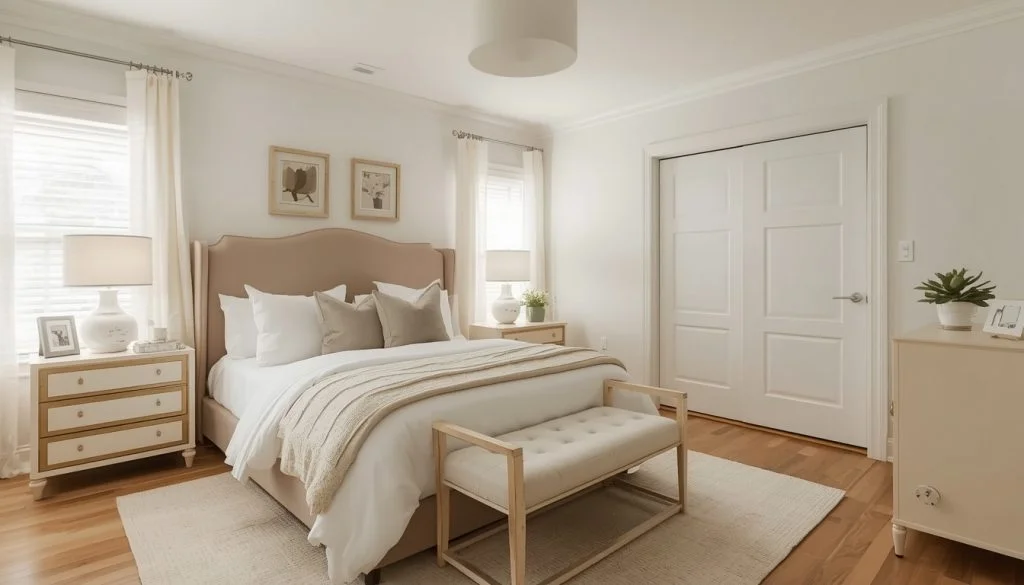
23. Try a Clean Girl or Vanilla Girl Bedroom
A clean girl or vanilla girl bedroom usually combines warm neutral colors with uncluttered surfaces and soft textures.
Use:
- Cream or warm white walls
- Beige bedding
- Light wood
- Simple artwork
- Warm lamps
- Matching storage
- Minimal accessories
- A soft neutral rug
The room should feel calm but not empty. Add personal photos, a favorite book collection, or one meaningful color to prevent the design from looking generic.
24. Create a Coquette-Inspired Bedroom
A coquette bedroom can feel romantic and decorative when the details are used selectively.
Possible elements include:
- Bows
- Floral bedding
- Lace details
- Soft pink or cream
- Vintage-style mirrors
- Small framed prints
- Scalloped edges
- Delicate lighting
- Decorative perfume trays
Use a neutral foundation and add coquette accessories that can be changed easily. This prevents the room from becoming overly themed or difficult to update.
25. Design a Dark Academia Bedroom
Dark academia combines a scholarly atmosphere with rich colors and vintage-inspired details.
Use:
- Dark wood
- Deep green
- Burgundy
- Brown
- Black accents
- Classic artwork
- Bookshelves
- Plaid or checked patterns
- Warm desk lighting
- Brass-colored accessories
A dark palette can feel cozy, but it requires adequate lighting. Balance deep wall colors with lighter bedding, a pale ceiling, mirrors, or warm lamps.
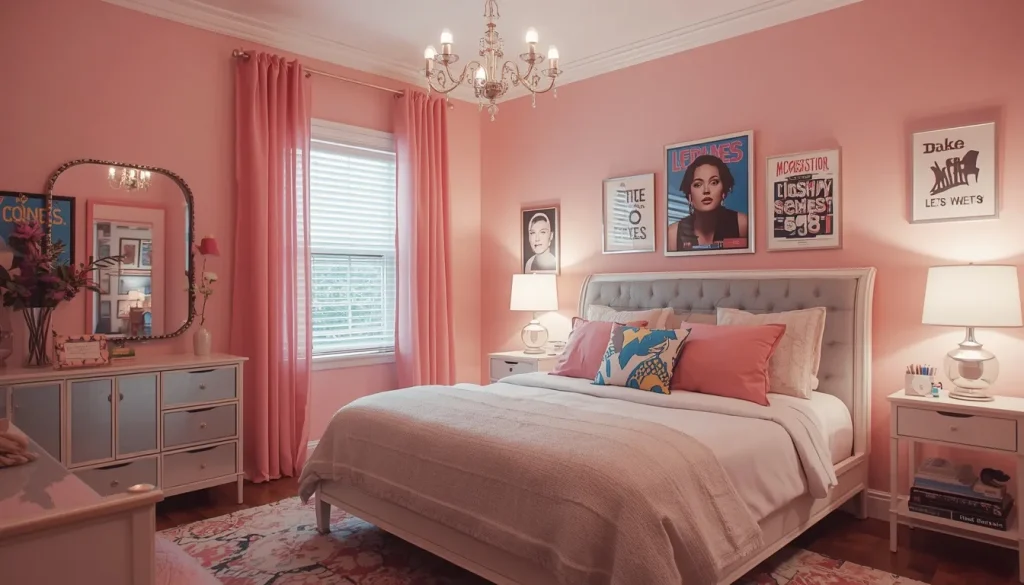
26. Add Y2K-Inspired Details
A Y2K bedroom can include playful colors, nostalgic accessories, and early-2000s-inspired shapes.
Try:
- Bright accent colors
- Metallic details
- Curved mirrors
- Retro posters
- Translucent organizers
- Playful lamps
- Photo collages
- Checkerboard patterns
- Iridescent accessories
Use a few strong Y2K elements rather than buying an entirely themed furniture set. Smaller accessories will be easier to replace when tastes change.
Recent 2026 décor coverage has increasingly favored expressive, personal, layered rooms rather than perfectly matched spaces with no connection to the occupant.
27. Create a Relaxed Boho Bedroom
A boho teenage girl bedroom can feel casual, warm, and creative.
Combine:
- Warm neutral colors
- Rattan or cane
- Woven baskets
- Plants
- Textured bedding
- Handmade art
- Macramé
- Patterned cushions
- Natural wood
- Soft lighting
Limit the number of patterns in a small room. Using several textures within a controlled color palette can create the boho look without making the room feel cluttered.
28. Keep It Modern and Minimalist
A modern minimalist bedroom works well for teens who prefer clean lines and an organized environment.
Choose:
- A simple bed frame
- Closed storage
- A streamlined desk
- Neutral walls
- One or two accent colors
- Minimal wall décor
- Matching containers
- Clear surfaces
Minimalism does not mean removing personality. A few carefully chosen photographs, books, art pieces, or collectibles can make the room feel personal without filling every surface.
29. Use Space-Saving Furniture in a Small Bedroom
A small teenage girl’s bedroom needs furniture that earns its place.
Useful options include:
- A bed with drawers
- A loft bed with a desk underneath
- A wall-mounted desk
- A narrow dresser
- A floating bedside shelf
- A storage ottoman
- A corner desk
- A desk-and-vanity combination
- A daybed with storage
- A bedside caddy
Measure carefully before purchasing loft beds or tall furniture. Confirm that there is enough ceiling clearance and that the product is appropriate for the user’s age, size, and room.
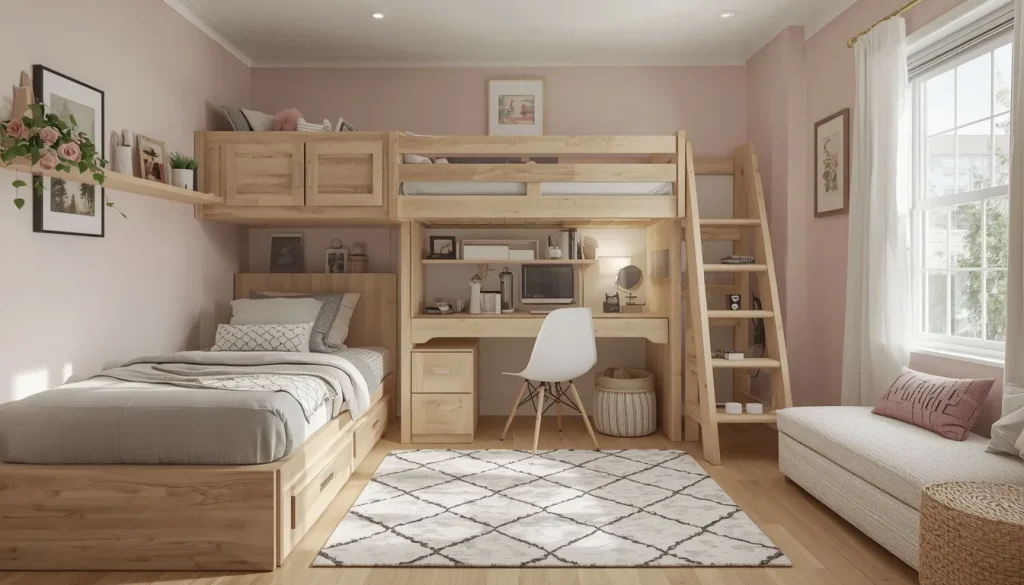
Using vertical space and multifunctional furniture can improve storage while preserving more usable floor area in a compact room.
30. Give Each Person a Zone in a Shared Bedroom
A shared teenage girls’ bedroom should feel coordinated without requiring both teens to have identical décor.
Give each person:
- Her own bedside light
- Personal wall space
- Separate clothing storage
- A designated drawer or shelf
- Her preferred bedding
- An individual charging area
Use coordinating colors to make the room feel connected. For example, the beds could use different patterns within the same color family.
In a small shared room, bunk beds, loft beds, under-bed drawers, tall storage, curtains, and open shelving can help divide the space. A recent shared teen bedroom redesign also demonstrated how bunk beds, tall storage, flexible seating, and washable textiles can preserve floor space while making the room suitable for older children.
Teenage Girl Bedroom Ideas by Color
Color-specific decorating can help create a clear style while making it easier to select bedding, curtains, rugs, and accessories.
Pink and White Bedroom
Combine soft pink with warm white, cream, or light gray. Add natural wood or dark accents to prevent the room from feeling overly sweet.
Use pink on replaceable items such as bedding, cushions, artwork, or lamps rather than making every permanent feature pink.
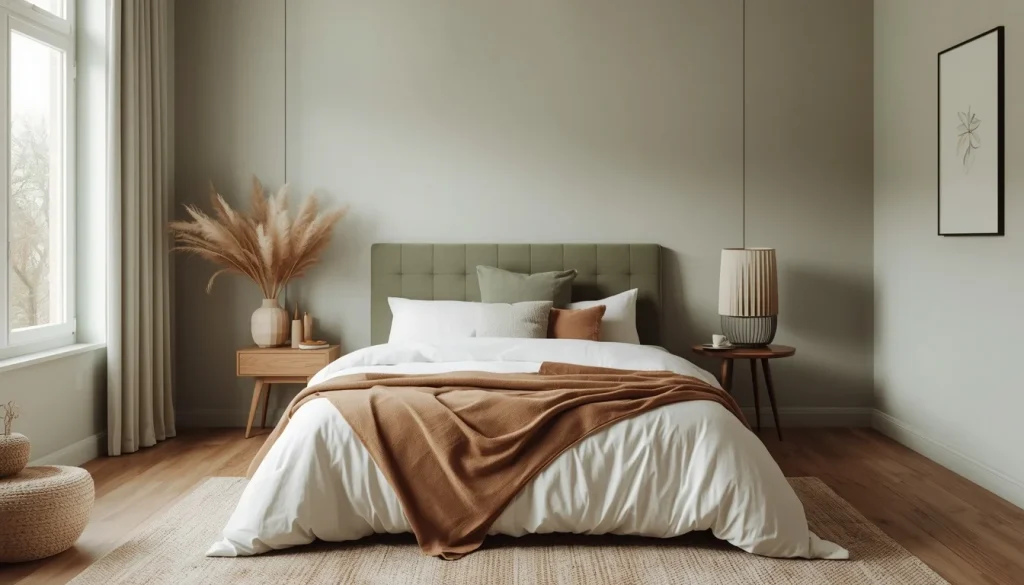
Sage Green Bedroom
Sage green works well with:
- Warm white
- Beige
- Terracotta
- Light wood
- Dusty pink
- Brass-colored accents
It can suit boho, modern, cottage-inspired, minimalist, or nature-themed bedrooms.
Purple or Lavender Bedroom
Lavender can create a soft, calming appearance when combined with white, gray, cream, or pale wood.
For a more dramatic room, pair deeper purple with charcoal, dark wood, or metallic accents.
Blue Teenage Girl Bedroom
Blue is highly flexible. Dusty blue can feel soft and traditional, navy can feel sophisticated, and brighter blue can create a cheerful modern room.
Pair blue with white, tan, warm wood, blush, mustard, or green.
Black and White Bedroom
A black-and-white room can look modern and mature, but it needs texture to avoid feeling flat.
Add:
- Patterned bedding
- A textured rug
- Warm wood
- Soft curtains
- Greenery
- Metallic details
- One accent color
Beige and Neutral Bedroom
A neutral bedroom should include different shades and textures so that it does not look unfinished.
Combine cream, beige, tan, light brown, warm white, and natural wood. Add contrast with black, deep green, navy, or terracotta.
Teenage Girl Bedroom Layout Ideas
The best layout depends on the room’s shape, furniture requirements, windows, doors, and storage.
Layout for a Square Bedroom
Place the bed against the longest uninterrupted wall. Position the desk near a window when possible, and place the dresser or vanity on the opposite side.
Avoid placing every piece of furniture in a corner. Leave a clear path between the door, bed, desk, and closet or wardrobe.
Layout for a Long, Narrow Bedroom
Place the bed lengthwise along one wall if a centered arrangement makes the walkway too narrow.
Use shallow furniture, such as:
- A narrow dresser
- A floating desk
- Wall-mounted shelves
- A slim bedside table
- A floating vanity
Keep taller storage near one end of the room instead of spreading it along both sides.
Layout With a Desk and Vanity
Use a desk-and-vanity combination, or place both items along the same wall to create one organized work and getting-ready zone.
Another option is to use a desk near the window and mount a narrow vanity beside the wardrobe.
Layout for a Bedroom With a Small Closet
If the existing closet is not large enough, add:
- A narrow wardrobe
- An open clothing rail
- A dresser
- Under-bed drawers
- Wall hooks
- Over-the-door storage
Place additional clothing storage close to the closet to create one dressing zone rather than scattering clothes around the bedroom.
Layout for a Shared Bedroom
Place beds on opposite walls to create separate zones, or use bunk beds to preserve floor space.
A bookcase, curtain, rug, or pair of desks can create visual separation. Make sure neither person must cross through the other person’s sleeping zone to reach shared storage.
Bedroom Ideas for Different Teenage Ages
A teenager’s needs and style may change significantly between the early and later teen years.
Bedroom Ideas for Ages 13 to 15
Younger teens may prefer:
- Brighter colors
- More visible collections
- Hobby displays
- Flexible wall décor
- School organization
- Creative project space
- Floor seating
- Playful accessories
Use removable décor so that the room can change as interests develop.
Bedroom Ideas for Ages 16 to 19
Older teens may value:
- A larger study area
- More clothing storage
- A sophisticated color palette
- A practical vanity
- Better technology organization
- Comfortable seating
- A more mature bed and bedding
- Storage suitable for future college or work needs
Choose furniture that could eventually work in a dorm room, apartment, guest room, or home office.
Budget-Friendly Teenage Girl Bedroom Ideas
A successful makeover does not require replacing everything.
Rearrange the Furniture First
Before buying anything, test a different furniture arrangement. Moving the bed, desk, or dresser may improve the room’s flow and make it feel new.
Declutter Before Purchasing Storage
Do not buy organizers for belongings your teen no longer wants or needs. Sort items into categories and remove unnecessary clutter first.
Update Existing Furniture
Refresh furniture by:
- Replacing drawer handles
- Adding removable contact paper
- Painting when appropriate
- Refinishing wood
- Adding drawer liners
- Changing the furniture’s location
- Using baskets inside open shelves
Follow the manufacturer’s instructions and use materials suitable for the furniture surface.
Change the Bedding
New bedding can transform the room because the bed occupies a large visual area. Choose a duvet cover or comforter that establishes the desired palette.
The rest of the room can then be updated with lower-cost accessories in coordinating colors.
Use Printable or Homemade Wall Art
Create wall décor using:
- Personal photographs
- Digital prints
- Original drawings
- Pressed flowers
- Postcards
- Fabric remnants
- Decorative paper
- Magazine images
- Favorite quotations
Use frames already available at home or update secondhand frames for a coordinated look.
Shop Secondhand
A secondhand desk, mirror, chair, dresser, or lamp may provide more character than a completely new matching furniture set.
Inspect furniture for stability, damage, odors, pests, recalls, and missing hardware. Large furniture should be secured appropriately after installation.
Complete the Makeover in Phases
Prioritize the most important improvements first:
- Layout and decluttering
- Bed and bedding
- Study area
- Storage
- Lighting
- Wall décor
- Smaller accessories
This approach prevents impulse purchases and allows the design to develop gradually.
How to Decorate a Teenage Girl’s Bedroom Without Buying Anything
You may be able to refresh the room with items already available at home.
Try the following:
- Rearrange the furniture
- Remove unnecessary decorations
- Restyle the bedding
- Move a lamp from another room
- Create artwork from available materials
- Display books by color
- Rotate photographs
- Repurpose jars as organizers
- Use baskets from another area of the house
- Turn a scarf or fabric remnant into wall décor
- Create a new arrangement on shelves
- Move accessories between rooms
A cleaner layout and more intentional arrangement can create a noticeable difference without adding new objects.
Rental-Friendly Teenage Girl Bedroom Ideas
A rental bedroom can still feel personal without painting walls or making permanent changes.
Use:
- Removable wallpaper
- Wall decals
- Freestanding shelves
- Tension rods
- Damage-free hooks
- Leaning artwork
- Large fabric wall hangings
- Colorful bedding
- Washable rugs
- Decorative lamps
- Removable contact paper
Check the rental agreement before attaching anything to walls, ceilings, doors, or built-in furniture.
Safety Tips for a Teenage Bedroom
Style should never come before safety.
Anchor Tall Furniture
Tall dressers, bookcases, wardrobes, and shelving units can tip forward. The U.S. Consumer Product Safety Commission recommends anchoring furniture with drawers, doors, or shelves to the wall to reduce tip-over risks. Follow the furniture manufacturer’s installation instructions and use hardware suitable for the wall type.
Secure Large Mirrors and Wall Décor
Large mirrors should be mounted or secured so they cannot fall. Avoid hanging extremely heavy decorations directly above the bed.
Keep Walkways Clear
Do not allow cords, bags, shoes, floor cushions, or furniture to block the path between the bed and the bedroom door.
Use Electrical Items Correctly
Do not overload outlets or power strips. Replace damaged cords, keep charging devices uncovered, and follow product instructions.
Install Hanging Furniture Professionally
Hanging chairs, swings, suspended canopies, and ceiling-mounted décor require appropriate support. Do not attach a weight-bearing item to decorative plasterboard or drywall without confirming the structure can support it.
Consider Safer Alternatives to Candles
Use flameless candles or decorative lamps instead of open flames, especially near curtains, bedding, paper, or wall decorations.
Common Teenage Bedroom Decorating Mistakes
Letting the Parent Make Every Decision
The bedroom may be beautifully decorated but still feel uncomfortable to the teenager using it. Agree on boundaries, then allow your teen to make meaningful choices.
Copying a Trend Too Literally
A room designed entirely around one trend can become expensive to update. Introduce trends through removable or replaceable accessories.
Buying Furniture Before Measuring
A beautiful desk or bed is not useful if it blocks a door, window, heater, closet, or walkway.
Choosing a Bed That Is Too Large
A large bed may dominate a small room and leave little space for studying, storage, or movement.
Ignoring Storage Needs
Decorative accessories cannot solve an underlying storage problem. Plan where clothes, school materials, technology, hobbies, and personal-care items will go.
Using Only One Light Source
A ceiling fixture alone may not provide comfortable lighting for reading, homework, getting ready, and relaxing.
Blocking Natural Light
Avoid placing tall, bulky furniture directly in front of a useful window unless the layout offers no alternative.
Using Too Many Small Decorations
A large number of small items can make surfaces feel cluttered. Group similar objects and leave some areas open.
Choosing the Wrong Rug Size
A very small rug can make the furniture feel disconnected. Choose a rug that visually relates to the bed, seating area, or desk zone.
Forgetting About Cables and Charging
Plan where devices will be charged before arranging the desk and bed. This helps prevent trailing cords and crowded outlets.
Making the Room Too Childish
Avoid furniture and permanent finishes based on a theme your teen may outgrow quickly. Use sophisticated foundational pieces and introduce playful details through accessories.
Prioritizing Appearance Over Comfort
A stylish chair that is uncomfortable, a desk with no storage, or a bed covered in impractical accessories will not support everyday life.
Teenage Girl Bedroom Decorating Checklist
Use this checklist before completing the makeover:
- Measure the bedroom
- Establish a realistic budget
- Ask your teen about her priorities
- Choose a bedroom style
- Select a three-color palette
- Plan the furniture layout
- Create sleeping, study, dressing, and relaxation zones
- Review closet or wardrobe storage
- Plan general, task, and ambient lighting
- Organize charging cables and devices
- Choose practical bedding
- Add a mirror
- Include personal photographs, artwork, or collections
- Use vertical and under-bed storage
- Check windows and privacy
- Secure tall furniture and heavy mirrors
- Keep doors and walkways clear
- Remove unnecessary clutter
- Leave room for the design to evolve
Frequently Asked Questions
How can I make a teenage girl’s bedroom look aesthetic?
Choose a clear color palette, keep unnecessary clutter under control, and repeat several colors or materials throughout the room. Add layered bedding, warm lighting, coordinated storage, artwork, and meaningful personal objects.
An aesthetic bedroom should still support sleeping, studying, dressing, and storage. Do not sacrifice everyday function to reproduce a photograph.
How can I decorate a teenage girl’s bedroom on a budget?
Start by decluttering and rearranging the furniture. Keep the largest pieces and update the room with bedding, paint, removable wallpaper, secondhand furniture, printable artwork, new drawer handles, and better organization.
Complete the makeover in phases instead of purchasing everything at once.
What colors are best for a teenage girl’s bedroom?
The best colors depend on her preferences and the amount of natural light in the room. Popular flexible options include sage green, lavender, dusty blue, warm beige, soft pink, cream, terracotta, navy, and forest green.
Use a three-color palette to keep the room coordinated.
How do you decorate a small teenage girl’s bedroom?
Use multifunctional furniture, under-bed storage, vertical shelving, a wall-mounted desk, a desk-and-vanity combination, and a floating bedside shelf. Avoid oversized furniture and keep the main walkway clear.
Mirrors, simple window treatments, and a controlled color palette can also help the room feel more open.
How can I decorate a bedroom without painting the walls?
Use removable wallpaper, decals, artwork, fabric wall hangings, photographs, mirrors, decorative lighting, bedding, curtains, rugs, and freestanding furniture.
A large headboard or gallery wall can become the room’s focal point without changing the paint.
What furniture does a teenage girl need in her bedroom?
The essential furniture usually includes a bed, clothing storage, a desk or study surface, a supportive chair, bedside storage, and adequate lighting.
A vanity, bookcase, lounge chair, or additional drawers may be useful depending on the room size and your teen’s routine.
How can I create a study area in a small bedroom?
Use a narrow desk, corner desk, floating desk, or desk-and-vanity combination. Add vertical shelving above the desk and choose a chair that slides underneath.
Keep school supplies organized in drawers, wall pockets, containers, or a pegboard.
How can I make a teenage bedroom feel cozy?
Layer the bedding, add a soft rug, use warm lamps, include curtains, mix several textures, and create a comfortable reading or relaxation area.
Personal photographs, books, artwork, and meaningful objects can make the room feel warmer and more individual.
How can two teenage girls share a small bedroom?
Give each teen separate storage, wall space, bedside lighting, bedding, and charging access. Use coordinated rather than identical colors.
Bunk beds, loft beds, curtains, tall shelving, and under-bed storage can help preserve space and create personal zones.
How can I decorate a teenage bedroom for sleepovers?
Use a trundle bed, daybed, floor cushions, foldable seating, or a beanbag. Keep extra bedding in a basket or under-bed container and maintain enough open floor space for a temporary mattress.
How do you design a teenage bedroom that will not feel outdated quickly?
Choose timeless furniture and a flexible foundation. Use neutral or versatile colors for expensive items and introduce current trends through bedding, lamps, artwork, pillows, and removable wall décor.
This makes future updates faster and less expensive.
Should a teenage bedroom have a vanity and a desk?
It can have both when there is enough room, but a combined desk and vanity is usually more practical in a small bedroom. Use organized containers to separate beauty products from school supplies and keep the main work surface clear.
Where should the bed go in a teenage bedroom?
Place the bed against a stable wall where it does not block the door, window, heating, storage, or the main walkway. The best position depends on the room’s shape and the locations of built-in features.
Final Thoughts
The best decorating ideas for a teenage girl bedroom combine personal style with practical solutions. Begin with a thoughtful layout, comfortable bed, organized study area, effective storage, and layered lighting. Then add colors, artwork, photographs, textiles, and accessories that reflect your teen’s interests.
Avoid creating a room based entirely on a temporary trend. A flexible foundation with changeable decorations will allow the bedroom to evolve as her personality, hobbies, and routines change.
Most importantly, involve your teen in the process. A successful teenage bedroom should not simply look impressive, it should feel comfortable, useful, safe, and genuinely personal.

“A comfortable home and a healthy lifestyle go hand in hand.”
Hi, I’m Ethan Carter, the founder and lead editor of TheBestHomeFit. I’m passionate about helping people create beautiful, functional living spaces while building healthier lifestyles at home. Over the years, I’ve spent countless hours researching home decor trends, testing home gym equipment, and reviewing products to help readers make smarter buying decisions.
Through TheBestHomeFit, I share practical home improvement ideas, honest product reviews, buying guides, and fitness tips designed for everyday homeowners. My goal is to make it easier for you to create a home that looks great, feels comfortable, and supports your well-being.
When I’m not researching the latest products or writing in-depth guides, you’ll usually find me redesigning a room, trying new home workout routines, or enjoying quality time with my family.


1 thought on “30 Decorating Ideas for a Teenage Girl Bedroom That Feel Stylish and Personal”