
A well-designed guest bedroom should do more than look attractive. It should help visitors feel relaxed, comfortable, and genuinely welcome from the moment they enter.
Coastal guest bedroom ideas work especially well because the style is naturally calm, bright, and inviting. Soft colours, breathable fabrics, light wood, woven textures, and simple seaside details can turn an ordinary spare room into a peaceful retreat.
However, a successful coastal guest room is not created by filling the space with anchors, shells, and beach signs. The best rooms feel fresh and coastal without looking overly themed. They also provide practical essentials such as comfortable bedding, bedside lighting, charging access, storage, privacy, and temperature control.
Whether you are decorating a small spare room, a beach house bedroom, a guest room with twin beds, or a multipurpose home office, the following ideas will help you create a space that looks beautiful and works well for real guests.
What Makes a Guest Bedroom Feel Coastal?
A coastal guest bedroom usually combines a light colour palette, natural materials, soft fabrics, and an uncluttered layout.
The goal is to capture the relaxed feeling of being near the sea rather than recreate a themed beach shop. A room can feel coastal even without obvious nautical decorations.
Common elements of coastal bedroom design include:
- Warm white, cream, beige, blue, green, and sandy neutral colours
- Linen, cotton, jute, rattan, cane, and light wood
- Soft, layered bedding
- Plenty of natural light
- Simple coastal artwork
- Comfortable and practical furniture
- Open, uncluttered surfaces
- Subtle references to the ocean or shoreline
Modern coastal interiors often use blue sparingly. A neutral room with light oak furniture, linen curtains, a woven headboard, and soft white bedding can still feel completely coastal.
The difference between a stylish coastal room and an overly themed room usually comes down to restraint. One beautiful ocean photograph can create more impact than a collection of signs, shells, ropes, and miniature boats.
How to Plan a Coastal Guest Bedroom
Before buying furniture or accessories, consider how the room will be used. A guest room for visiting parents may need different furniture from a room designed for children, couples, or occasional overnight visitors.
Choose the Room’s Coastal Style
Coastal design includes several different looks. Choosing one direction will help the room feel intentional.
Modern Coastal
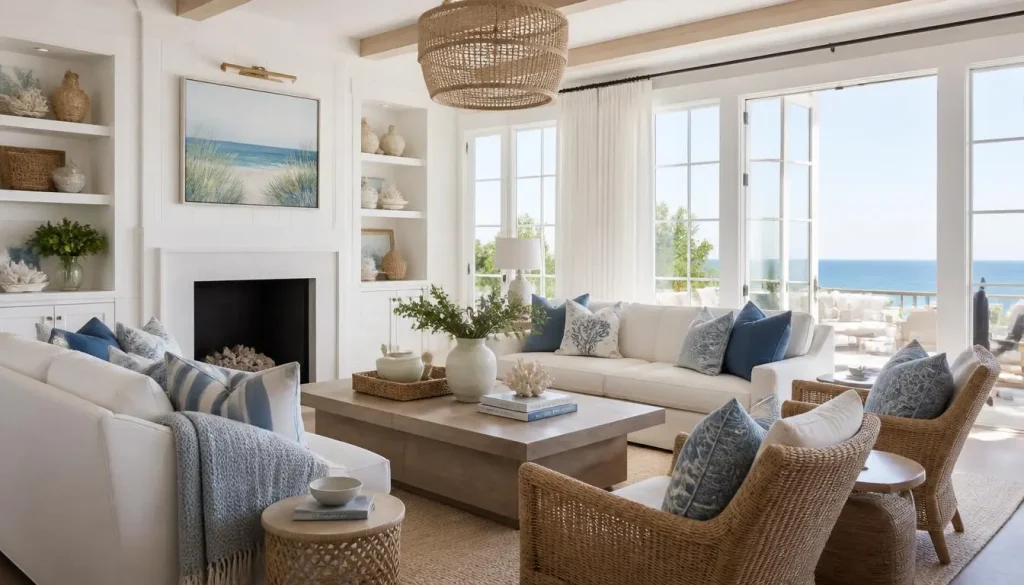
Modern coastal bedrooms use clean lines, warm whites, natural textures, and minimal decoration. Choose simple furniture, linen bedding, and one or two carefully selected coastal accents.
Coastal Cottage
A coastal cottage room feels softer and more traditional. Painted furniture, floral patterns, quilts, tongue-and-groove walls, and vintage-inspired accessories work well.
Coastal Farmhouse
Coastal farmhouse style combines relaxed beach-house elements with rustic wood, black accents, simple textiles, and practical furniture. It is ideal for homeowners who want a room that feels warm rather than polished.
Traditional Nautical
Nautical rooms often use navy, white, stripes, brass, and dark wood. Keep the theme controlled so the bedroom still feels restful.
Organic Coastal
Organic coastal design focuses on natural materials, warm neutral colours, handmade ceramics, woven textures, and light wood. It works particularly well for calm, neutral guest rooms.
Luxury Coastal
A luxury coastal guest bedroom takes inspiration from boutique hotels and seaside resorts. Use high-quality bedding, upholstered furniture, elegant lighting, full-length curtains, and a restrained colour palette.
Select a Simple Colour Palette
Choose three to five main colours before decorating. This prevents the room from feeling busy.
Reliable combinations include:
- Warm white, sandy beige, and light oak
- Soft blue, cream, and natural rattan
- Seafoam green, ivory, and pale wood
- Navy, white, and warm brown
- Greige, muted blue, and soft black
- Oatmeal, taupe, and off-white
Use the lightest shade on the largest surfaces, such as walls and bedding. Add stronger colours through pillows, artwork, lamps, rugs, or a single accent wall.
Think About Your Guests
Ask yourself who will usually stay in the room.
Older guests may appreciate a bed that is easy to access, clear walking space, strong bedside lighting, and a chair for dressing. Families may need twin beds, bunk beds, or a trundle. Long-term visitors will need more storage than someone staying for one night.
Designing for real guests will make the room more useful than simply copying an attractive photograph.
25 Coastal Guest Bedroom Ideas
1. Start With Warm White Walls
Warm white is one of the easiest wall colours to use in a coastal guest bedroom. It reflects light, makes the room feel larger, and creates a clean background for blue, green, beige, and natural wood.
Avoid choosing an extremely cold or blue-toned white unless the room receives plenty of warm natural light. In darker rooms, cream, ivory, or pale greige may feel more inviting.
White walls also allow you to update the room later without repainting. Changing the bedding, artwork, or accessories can create an entirely new look.
2. Add Ocean-Inspired Blue Accents
Blue is strongly associated with coastal interiors, but it does not need to dominate the room.
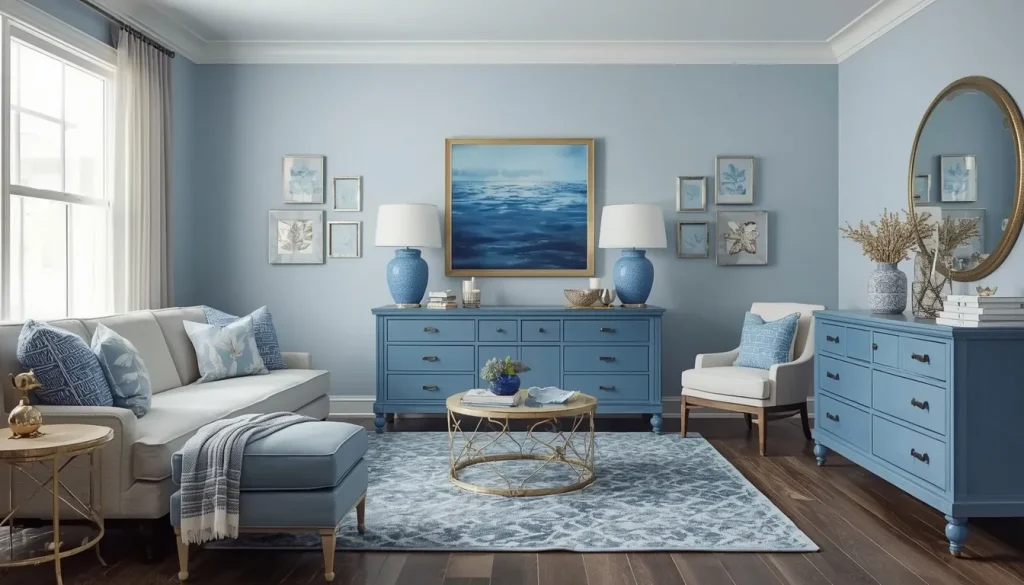
Use blue through:
- Decorative pillows
- A folded throw
- Curtains
- Bedside lamps
- Artwork
- A painted dresser
- A rug
- A single accent wall
Mixing several blue tones can feel more natural than using one identical shade everywhere. Pale blue, dusty blue, denim, navy, and blue-grey can work together when balanced with white and warm neutrals.
3. Layer White and Neutral Bedding
White bedding instantly makes a guest bedroom feel fresh and hotel-like. It is also easy to wash, replace, and coordinate with different colours.
Start with comfortable sheets, then add a quilt, coverlet, or duvet. Finish with a folded throw and a small number of decorative pillows.
Avoid covering the bed with so many cushions that guests have nowhere to put them. Two sleeping pillows per person and one or two decorative cushions are usually enough.
4. Choose a Woven Headboard
A rattan, cane, wicker, or seagrass headboard adds coastal texture without taking up much visual space.
Woven headboards work particularly well against white, beige, pale blue, or soft green walls. They also pair easily with light wood nightstands and simple cotton bedding.
For a more refined look, choose a cane headboard with a timber frame. For a relaxed beach-house style, try a full rattan design.
5. Use Light or Weathered Wood Furniture
Light oak, ash, pine, whitewashed wood, and driftwood-inspired finishes help create an airy coastal atmosphere.
A guest room does not need a matching furniture set. A light wood dresser, painted nightstand, and woven bench can work together when the colours and proportions feel balanced.
Avoid filling a small room with heavy, dark furniture. One darker piece may add contrast, but several large pieces can make the space feel crowded.
6. Introduce Linen and Cotton
Natural fabrics help a coastal bedroom feel relaxed and comfortable.
Linen curtains, cotton sheets, quilted bedding, canvas cushions, and lightweight throws provide softness without making the room feel formal.
These fabrics are also practical for guests because they are breathable. In warm climates, lightweight cotton and linen can help the room feel cooler. In colder regions, they can be layered with quilts and blankets.
7. Add a Comfortable Rug
A rug makes the room feel warmer and more complete, especially if the bedroom has hardwood, laminate, or tile flooring.
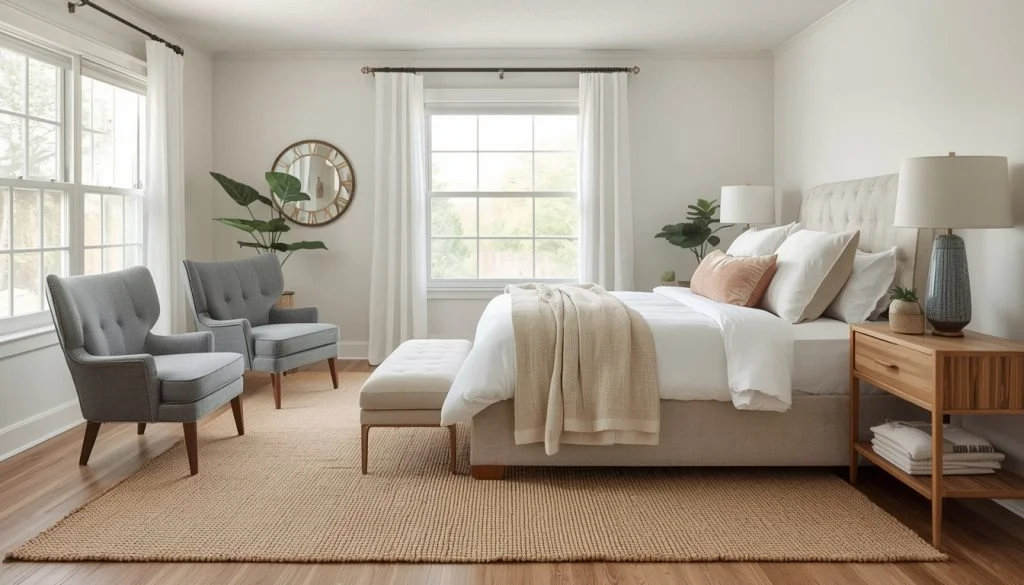
Jute and sisal create a natural coastal look, but they can feel rough under bare feet. For a guest room, consider a wool-blend, cotton, washable, or soft woven rug.
Choose a rug large enough to extend beyond the sides of the bed. A rug that is too small can make the furniture look disconnected.
8. Keep Beach-Themed Decorations Subtle
A coastal guest bedroom should suggest the sea without turning into a themed display.
Choose one or two decorative elements such as:
- A framed coastal photograph
- Abstract ocean artwork
- A ceramic vase
- A piece of woven wall art
- A small glass lamp
- A shell displayed in a simple bowl
- A collection of books about the local area
Avoid using anchors, ropes, signs, starfish, and boat decorations all in the same room. A few thoughtful pieces will look more sophisticated.
9. Create a Coastal Accent Wall
An accent wall can give the room more character without overwhelming it.
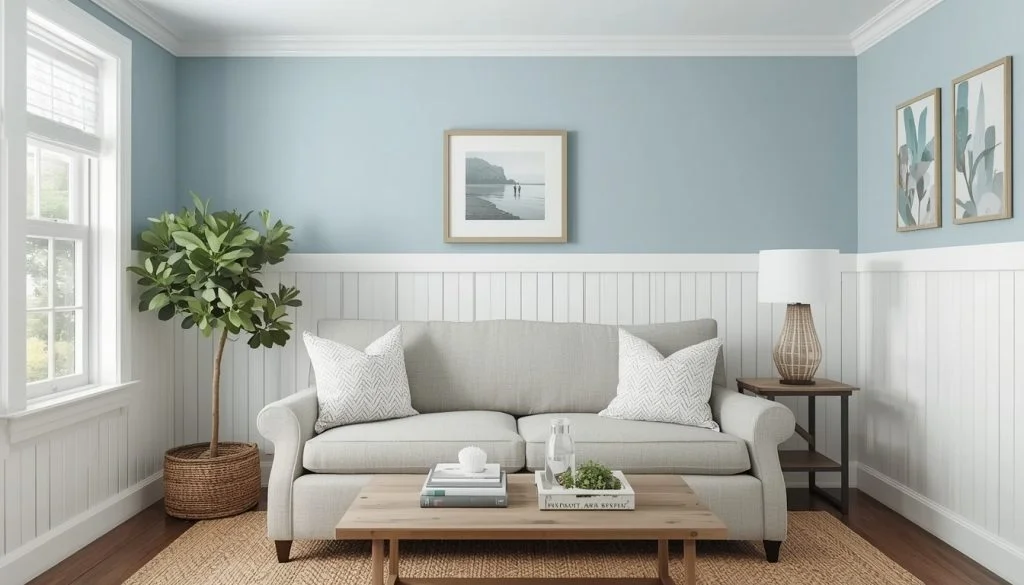
Popular options include:
- Soft blue paint
- Board-and-batten
- White shiplap
- Grasscloth wallpaper
- Subtle striped wallpaper
- A muted botanical print
- A pale coastal mural
Place the accent wall behind the bed so it creates a natural focal point.
In small rooms, avoid extremely dark or busy patterns unless the remaining walls and furniture are simple.
10. Hang Floor-to-Ceiling Curtains
Long curtains can make a guest bedroom feel taller and more polished.
Mount the curtain rod above the window frame and allow the curtains to reach the floor. Extending the rod slightly beyond the window can also make the window appear wider.
Linen-look curtains, soft cotton panels, woven shades, and Roman blinds all suit coastal interiors.
For guest comfort, consider blackout lining. Sheer curtains may look beautiful during the day, but guests also need privacy and control over morning light.
11. Layer the Lighting
One ceiling light is rarely enough for a comfortable guest room.
A practical lighting plan may include:
- A central ceiling fixture
- A bedside lamp on each side of the bed
- Wall-mounted reading lights
- A floor lamp beside a chair
- A low-level night-light
Choose warm bulbs rather than harsh, cool lighting. Warm light makes neutral coastal colours feel softer and helps guests relax before sleeping.
12. Provide Easy Charging Access
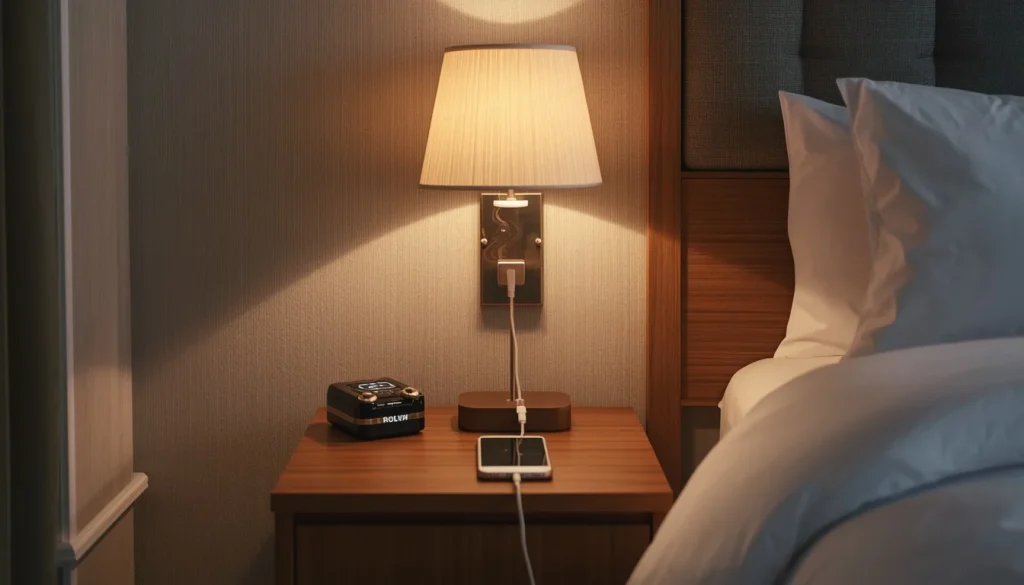
Guests should not need to move furniture or search behind the bed to charge a phone.
Place an accessible outlet or charging point near the bed. A bedside lamp with a USB port, a compact charging station, or an extension outlet secured behind the nightstand can solve the problem.
Keep cables neat and make sure charging equipment is safe and easy to understand.
13. Create a Place for Luggage
A luggage rack, bench, low console, or clear section of a dresser gives guests somewhere to place a suitcase.
Without a designated surface, visitors may put luggage on the bed or floor. This can make the room feel cluttered and reduce walking space.
A folding luggage rack is especially useful in small rooms because it can be stored away when not needed.
14. Add a Reading Corner
A small reading area can make a guest room feel more luxurious.
Use a compact armchair, a small side table, and a floor lamp. Add a cushion or lightweight throw for comfort.
If there is not enough space for a full chair, a bench at the end of the bed or a simple stool can provide a place to sit while dressing.
15. Use Mirrors to Increase Light
Mirrors reflect natural light and can make a small coastal bedroom feel more open.
Place a mirror opposite or near a window where it can bounce light back into the room. A full-length mirror is particularly useful for guests.
Choose a frame that complements the design, such as light wood, painted white, black metal, or woven rattan.
16. Make a Small Coastal Guest Bedroom Feel Larger
Small rooms benefit from light colours, simple furniture, and careful storage.
Use:
- Pale walls
- A low-profile bed
- Floating nightstands
- Wall-mounted lights
- Under-bed storage
- Full-height curtains
- One large mirror
- A limited number of accessories
Avoid using several small decorative items. One larger artwork or mirror often makes a small room feel calmer than a collection of tiny pieces.
17. Use Twin Beds for Greater Flexibility
Twin beds work well for children, friends, siblings, and guests who prefer separate sleeping spaces.
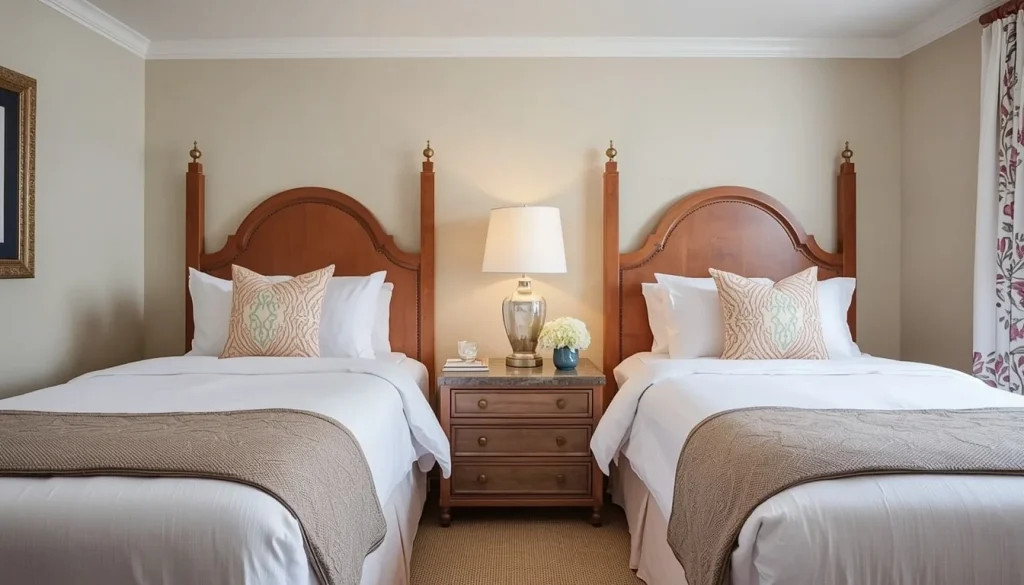
Use matching or coordinating headboards to create a balanced look. Place a shared nightstand between the beds and provide separate reading lights whenever possible.
The bedding does not need to be identical. Coordinated colours and patterns can make the room feel more relaxed and less like a hotel.
18. Add a Daybed or Trundle
A daybed allows a guest bedroom to function as a sitting room when no one is staying overnight.
Choose a design with a trundle if you need space for a second guest. Add supportive cushions along the back so the bed feels comfortable as a sofa during the day.
This option is useful in small homes, holiday properties, and rooms that serve several purposes.
19. Combine the Guest Room With a Home Office
A spare room often needs to work as both a bedroom and office.
Choose a slim desk, a wall-mounted desk, or a small writing table that does not dominate the room. Store office supplies in closed cabinets or baskets before guests arrive.
A daybed, sofa bed, or Murphy bed can free up floor space, but comfort should remain a priority. Guests should not feel as though they are sleeping inside a storage room.
20. Create Smart Guest Storage
Guests do not need an empty wardrobe, but they do need some space for clothing and personal belongings.
Provide:
- Several empty hangers
- At least one clear drawer
- Wall hooks
- A bedside surface
- A basket for towels
- Space under the bed
- A tray for jewellery and small items
Remove unnecessary household storage from the room. A guest bedroom should not feel like an overflow cupboard.
21. Prepare the Room for Every Season
Coastal rooms are often associated with summer, but guests need to feel comfortable throughout the year.
Provide breathable sheets and a lightweight blanket for warm weather. Add an extra quilt or throw for cold nights.
Depending on the climate, the room may also need:
- A fan
- Heating
- Blackout curtains
- Insect screens
- A dehumidifier
- Extra pillows
- Temperature instructions
This is especially important for homes in the USA, UK, Canada, and Australia, where seasonal conditions vary widely.
22. Decorate on a Budget
A coastal guest bedroom does not require expensive furniture.
Affordable updates include:
- Painting the walls
- Replacing pillow covers
- Adding a throw
- Updating lampshades
- Framing personal travel photographs
- Buying second-hand wood furniture
- Adding woven baskets
- Replacing old curtains
- Installing simple wall hooks
Focus first on the mattress, sheets, lighting, and privacy. Decorative items should come after the essentials.
23. Use Rental-Friendly Coastal Ideas
Renters can create a coastal room without making permanent changes.
Try:
- Peel-and-stick wallpaper
- Removable wall hooks
- Plug-in wall sconces
- A freestanding headboard
- Washable rugs
- Large framed artwork
- Temporary window treatments
- Removable furniture covers
Use texture and fabric to transform the room when painting or construction is not allowed.
24. Add Thoughtful Guest Essentials
Small practical details often matter more to guests than expensive decorations.
Consider providing:
- A bottle or jug of water
- Drinking glasses
- Tissues
- Towels
- A wastebasket
- Basic toiletries
- Extra toilet paper
- Wi-Fi information
- A night-light
- A local guide
- An extra blanket
- Different pillow options
Place these items where guests can easily find them. Avoid making visitors ask for every basic necessity.
25. Finish With Personal but Uncluttered Details
A guest bedroom should feel welcoming, but it should not be filled with highly personal possessions.
Use a few thoughtful details such as local photography, a small vase, a stack of books, greenery, or a handwritten welcome note.
Leave some surfaces empty. Guests need room for phones, glasses, bags, and personal items.
How to Choose Coastal Guest Bedroom Bedding
Bedding is one of the most important parts of a guest bedroom because it affects both comfort and appearance.
Start With Breathable Sheets
Choose soft, breathable sheets made from cotton, linen, or a quality cotton blend.
White is practical because it looks fresh and works with every coastal colour scheme. Pale blue, cream, soft grey, and subtle stripes can also work well.
Choose a Quilt, Duvet, or Coverlet
A lightweight quilt is suitable for warmer climates and relaxed cottage-style rooms. A duvet creates a fuller, more hotel-like appearance. A coverlet works well as a light top layer.
The best option depends on the climate and how frequently the room is used.
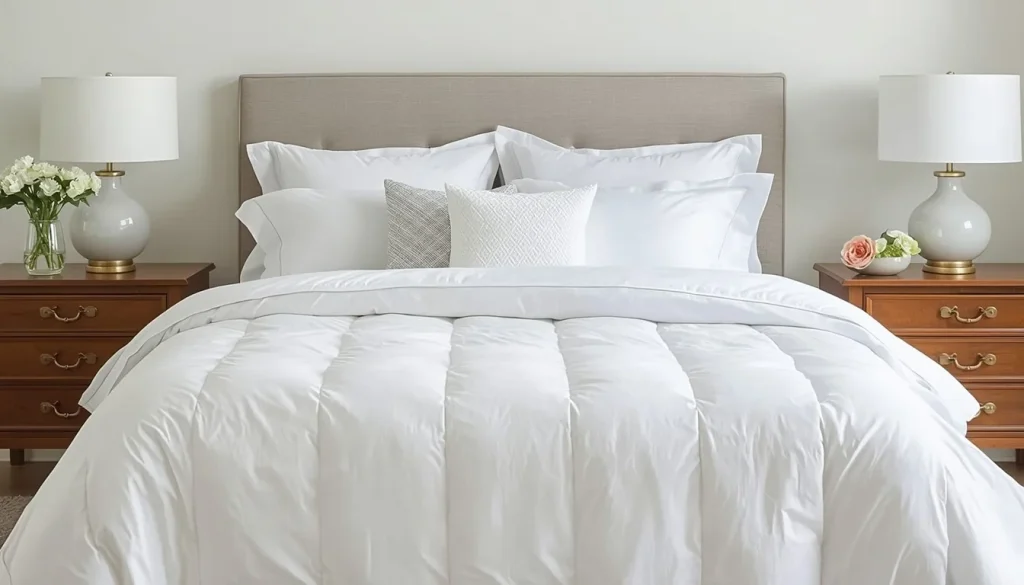
Mix Patterns Carefully
Coastal bedrooms often include stripes, checks, botanical prints, or subtle wave-inspired patterns.
Use one main pattern and support it with solid colours. Too many competing patterns can make the bed look busy.
For example, pair a striped cushion with plain white bedding and a soft blue throw.
Offer Different Bedding Layers
Guests have different temperature preferences. A layered bed allows each person to adjust the bedding.
Provide a sheet, a main blanket or duvet, and an extra throw. Keep another blanket in an easy-to-find basket or wardrobe.
Best Furniture for a Coastal Guest Bedroom
The best coastal furniture is practical, appropriately sized, and visually light.
Headboards
Suitable choices include:
- Rattan
- Cane
- Light wood
- Upholstered linen
- Painted timber
- Simple metal frames
Choose a headboard that creates a focal point without overwhelming the room.
Nightstands
Nightstands should provide enough room for a lamp, phone, glass of water, and small personal items.
They do not need to match perfectly. Two coordinating tables can create a more relaxed coastal look.
Dressers and Wardrobes
A small dresser may be more useful than a large wardrobe in an occasional guest room.
Choose furniture with simple handles and a light or painted finish. Leave at least one drawer empty.
Benches and Chairs
A bench at the end of the bed can provide seating and luggage space. A compact chair is helpful for reading or dressing.
Avoid adding seating if it blocks walking routes or makes the room feel cramped.
Best Paint Colours for a Coastal Guest Bedroom
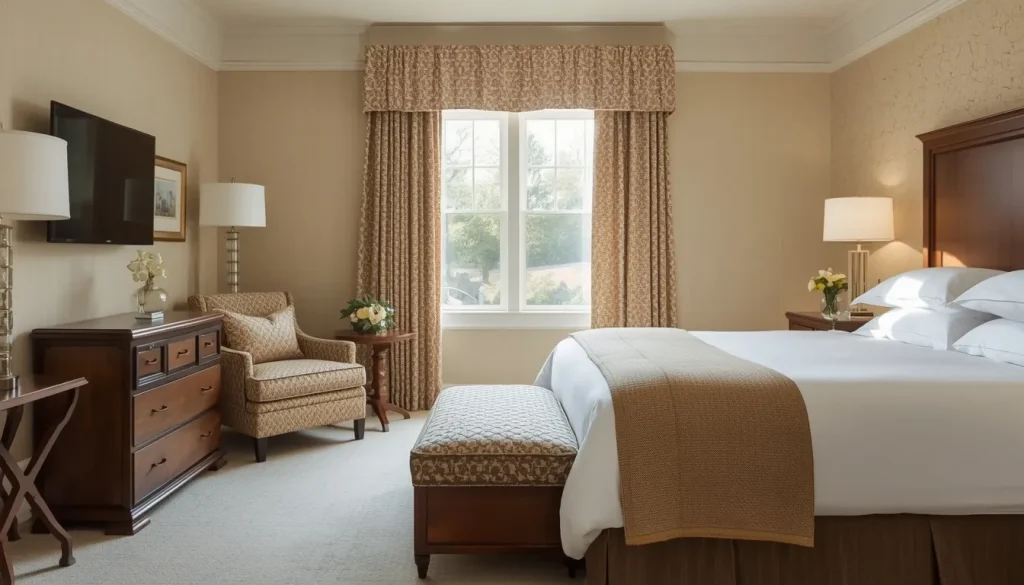
Paint has a major effect on how spacious, warm, and relaxing the room feels.
Warm White and Cream
These shades create a bright, timeless background. They work well with almost every coastal style.
Pale Blue and Blue-Grey
Soft blue can make a bedroom feel peaceful. Blue-grey is a good option for modern or sophisticated coastal rooms.
Seafoam and Muted Green
Soft greens bring a natural, organic feeling to the space. Pair them with warm white, light wood, and woven materials.
Sandy Beige and Greige
Neutral beige and greige shades create a subtle coastal look without using blue.
They are particularly effective in rooms with linen, jute, oak, and cream-coloured bedding.
Navy Accent Walls
Navy can add depth and contrast, especially behind a white or woven headboard.
Use it carefully in small or dark rooms. Balance it with light bedding, curtains, and furniture.
Unexpected Coastal Colours
Coastal rooms can also include coral, muted yellow, terracotta, lavender, or soft pink.
These shades work best as controlled accents rather than dominant colours.
Practical Coastal Guest Bedroom Ideas for a Beach House
A true beach house bedroom needs to handle more than appearance. Salt air, sand, humidity, wet clothing, and strong sunlight can affect materials.
Choose Washable Fabrics
Use removable pillow covers, washable rugs, cotton bedding, and durable curtains.
Avoid delicate materials that are difficult to clean.
Use Moisture-Resistant Furniture
Choose furniture that can tolerate humidity. Properly sealed wood, metal, rattan, and durable painted finishes are often more suitable than delicate untreated pieces.
Add Hooks for Towels and Bags
Install several strong hooks for beach towels, hats, bags, and light clothing.
A row of hooks can reduce clutter and prevent wet items from being placed on furniture.
Protect the Room From Strong Sunlight
Blackout or lined curtains can protect fabrics from fading and help keep the room cooler.
Use UV-resistant materials where possible in rooms exposed to strong sunlight.
Reduce Sand and Clutter
Place a washable mat near the entrance and provide baskets for shoes, towels, and beach equipment.
Closed storage helps keep the bedroom calm even when guests bring several outdoor items inside.
Coastal Guest Bedroom Layout Ideas
Small Guest Room Layout
Place the bed against the main wall and use one or two narrow nightstands. Wall-mounted lights can save surface space.
Add a folding luggage rack, a full-length mirror, and storage under the bed.
Medium Guest Room Layout
A medium room may accommodate a queen bed, two nightstands, a dresser, a bench, and a small reading chair.
Keep clear walking paths around the bed.
Twin Guest Room Layout
Place two beds with a shared nightstand between them. Provide individual lights where possible.
Use under-bed storage or one shared dresser to avoid overcrowding the room.
Guest Room and Office Layout
Place the desk on a separate wall from the bed so the sleeping and working zones feel distinct.
Use closed storage to hide office equipment before guests arrive.
Useful Guest Bedroom Measurements
Exact measurements depend on the room, but a few general guidelines can improve comfort.
- Keep the top of the nightstand close to the height of the mattress.
- Leave enough walking space around the bed for guests to move comfortably.
- Choose a bench that is slightly narrower than the bed.
- Use artwork that is visually proportional to the headboard.
- Extend curtain rods beyond the window to make it appear wider.
- Make sure hanging lights are high enough to avoid accidental contact.
- Avoid placing large furniture directly in the main path to the door.
Always measure the room, door openings, and furniture before buying anything.
Coastal Guest Bedroom Budget Guide
Low-Budget Refresh
Start with paint, bedding accents, artwork, baskets, and updated lighting.
This level is ideal when the existing bed and furniture are still in good condition.
Mid-Range Makeover
Add a new rug, headboard, curtains, nightstands, and improved storage.
This creates a noticeable transformation without replacing every item.
Full Room Renovation
A larger budget may include a new mattress, bed frame, dresser, seating, lighting, window treatments, and custom storage.
Spend the largest portion of the budget on comfort and function rather than decorative accessories.
Coastal Guest Bedroom Essentials Checklist
Before guests arrive, make sure the room includes:
- A comfortable mattress
- Clean sheets
- At least two pillow options
- An extra blanket
- Bedside lighting
- Charging access
- Blackout or privacy curtains
- Luggage space
- Empty hangers
- A clear drawer or shelf
- Towels
- Drinking water
- Tissues
- A wastebasket
- A mirror
- Wi-Fi information
- Comfortable room temperature
- Clear walking space
Stay in the room for one night yourself if possible. This is one of the easiest ways to discover missing items, uncomfortable lighting, outside noise, or temperature problems.
Common Coastal Guest Bedroom Mistakes
Using Too Many Themed Accessories
Too many shells, signs, anchors, and ropes can make the room feel dated. Choose a few subtle references instead.
Choosing Cold White Everywhere
A completely cold white room may feel clinical. Add warmth with cream, beige, wood, woven materials, and soft lighting.
Prioritising Appearance Over Comfort
Beautiful bedding is not useful if the mattress is uncomfortable or the pillows are poor quality.
Using Oversized Furniture
Large beds, dressers, and chairs can make a guest room difficult to move around.
Forgetting Guest Storage
Visitors need somewhere to place clothing, luggage, and personal items.
Relying on One Harsh Light
Provide bedside lighting so guests can read and move around without using the main ceiling light.
Filling Every Surface
Leave space on nightstands, dressers, and shelves for guest belongings.
Ignoring Privacy and Temperature
Curtains, heating, cooling, and ventilation are essential for a comfortable stay.
Frequently Asked Questions
What Colours Work Best in a Coastal Guest Bedroom?
Warm white, cream, sandy beige, pale blue, blue-grey, seafoam green, and light wood tones work particularly well. Navy can be used for contrast, while coral or muted yellow can add warmth.
How Can I Make a Guest Bedroom Look Coastal on a Budget?
Start with white or neutral bedding, a soft blue throw, woven baskets, simple artwork, and updated lighting. Painting the walls and buying second-hand light wood furniture can also create a major change without a large budget.
How Do I Decorate a Small Coastal Guest Bedroom?
Use pale walls, a low-profile bed, floating nightstands, wall-mounted lights, under-bed storage, and one large mirror. Keep decorations limited and choose furniture that fits the room’s scale.
What Bedding Is Best for a Coastal Guest Room?
Breathable cotton or linen sheets, a lightweight quilt or duvet, and an extra throw work well. Choose white, cream, pale blue, or subtle striped fabrics.
How Can I Create a Modern Coastal Guest Bedroom?
Use clean-lined furniture, warm neutral walls, light wood, linen fabrics, simple lighting, and minimal coastal artwork. Avoid overly themed decorations.
Can a Coastal Bedroom Work Without Blue?
Yes. Use warm white, beige, oatmeal, taupe, light oak, jute, and linen. Green, black, bronze, or terracotta can be added as accents.
What Furniture Works Best in a Coastal Guest Bedroom?
Light wood, painted furniture, cane, rattan, upholstered linen, and simple metal pieces work well. Choose furniture that provides storage without making the room feel crowded.
How Can I Make a Guest Bedroom Feel Like a Hotel?
Use high-quality bedding, layered lighting, a comfortable mattress, blackout curtains, clear surfaces, fresh towels, drinking water, and easy charging access.
Are Twin Beds a Good Choice for a Coastal Guest Room?
Twin beds are a flexible option for children, friends, siblings, and unrelated adult guests. Coordinating headboards and bedding can make the room feel polished.
How Do I Avoid Making a Coastal Guest Room Look Overly Themed?
Focus on colour, texture, and natural materials rather than obvious beach decorations. Use one or two coastal references and keep the rest of the room simple.
Final Thoughts
The most successful coastal guest bedroom ideas combine relaxed seaside style with thoughtful everyday comfort.
Start with a light, calming colour palette and introduce natural textures through wood, linen, cotton, rattan, and woven accessories. Add comfortable bedding, practical lighting, storage, privacy, and charging access before focusing on decorative details.
You do not need a large room, a beachside property, or an expensive renovation to create the look. Even small changes, such as replacing the bedding, adding a woven headboard, improving the curtains, or displaying one beautiful coastal photograph, can transform the space.
Above all, design the room for the person who will sleep there. A guest bedroom that feels comfortable, organised, and welcoming will always make a stronger impression than one that simply looks good in photographs.

“A comfortable home and a healthy lifestyle go hand in hand.”
Hi, I’m Ethan Carter, the founder and lead editor of TheBestHomeFit. I’m passionate about helping people create beautiful, functional living spaces while building healthier lifestyles at home. Over the years, I’ve spent countless hours researching home decor trends, testing home gym equipment, and reviewing products to help readers make smarter buying decisions.
Through TheBestHomeFit, I share practical home improvement ideas, honest product reviews, buying guides, and fitness tips designed for everyday homeowners. My goal is to make it easier for you to create a home that looks great, feels comfortable, and supports your well-being.
When I’m not researching the latest products or writing in-depth guides, you’ll usually find me redesigning a room, trying new home workout routines, or enjoying quality time with my family.